
HAZARDOUS TREE REMOVAL
Hazardous Tree Removal in Reno, NV and Northern Nevada
Hazardous tree removal in Reno for dead, damaged, unstable, or structurally concerning trees located where failure could threaten people or property. Call today for a fast, free estimate.
- Licensed & Insured
- Locally Owned
- Serving Since 2016
Get Your Free Quote
By submitting this form, you agree to our Terms of Use including consent to receive calls regarding your free estimate.
Confidential · We respond within one business day
Home › Hazardous Tree Removal
A hazardous tree is not just a tree that looks unattractive or old. The concern comes from the combination of condition, the way the tree could fail, and what is within reach if it does. Reno Tree Removal evaluates the removal around those targets and plans how compromised wood can be handled without adding unnecessary exposure.
A good hazardous tree removal estimate should answer the questions a customer actually has. We focus on the concern, the work area, the result you want, and the decisions that matter before the crew arrives.
Customers often call about hazardous tree removal because they know what is wrong but are not sure what kind of tree work will solve it. We can start with the visible concern, talk through the result you want, and separate essential work from optional improvements. That makes the estimate easier to compare and helps avoid paying for a broader scope than the property actually needs.
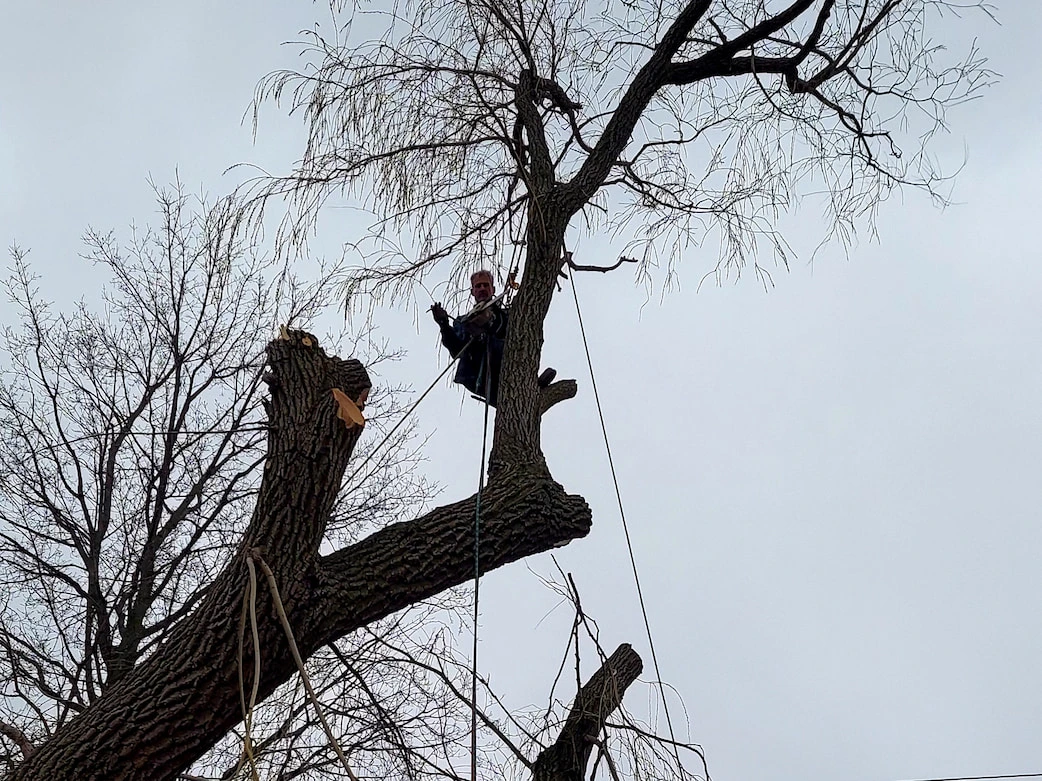
Hazardous Tree Removal Starts With What Could Fail and What Is Below
Most calls for hazardous tree removal begin with a practical property problem. You may want the work because something is unsafe, overgrown, damaged, in the way, or simply no longer fits how the property is being used. Common reasons customers contact Reno Tree Removal for hazardous tree removal include:
- A dead or severely declining tree stands within reach of a home, parking area, walkway, or other occupied space
- A trunk is split, cracked, decayed, or showing major structural damage
- The root plate has moved, heaved, or partially lifted and the tree has developed a new lean
- Large broken limbs are hanging or poorly supported in the canopy
- A storm-damaged tree has lost enough structure that retention is in question
- A previous risk review or visible defect has led you to decide the tree should be removed
Several hazardous tree removal concerns can exist at the same property at once. During the estimate, we separate the priority work from optional or later items so you can make a decision without treating everything as urgent.
For hazardous tree removal, urgency also depends on what is happening now, not just how the tree or work area looks in a photo. If A storm-damaged tree has lost enough structure that retention is in question, or if A previous risk review or visible defect has led you to decide the tree should be removed, tell us when you call. That context helps us understand what is affecting normal use of the property and which part of the work deserves attention first.
Reasons a Tree May Need Hazardous Removal
The hazardous tree removal estimate is also where we look for site details that could affect the crew, equipment, or finished result. We pay particular attention to:
- the defect or condition that makes the tree concerning
- tree lean, crown weight, dead sections, cracks, root movement, and failed limbs
- homes, roads, neighboring property, utilities, and other targets around the tree
- which parts of the tree can be safely loaded, climbed, rigged, or lifted during removal
- work-zone control, access, landing areas, and debris processing
These hazardous tree removal details matter to you because they affect access, production, property protection, debris handling, and the result you are buying. We explain the important constraints in plain language so the scope is clear without turning the estimate into a technical planning document.
Another part of a hazardous tree removal site review is understanding which parts of the tree can be safely loaded, climbed, rigged, or lifted during removal, along with work-zone control, access, landing areas, and debris processing. These are not checklist items for their own sake. They help us avoid recommending a method that creates an unnecessary conflict with the property, and they give you a clearer picture of what preparation may be needed before the crew arrives.
How We Plan Work Around Compromised Trees
Hazardous Tree Removal is not defined by one machine or one production sequence. After we understand the customer goal, practical service options can include:
- sectional removal with controlled lowering around tight targets
- crane-assisted removal when lifting compromised sections is the better method
- removing a failed portion first when that is necessary to create a safer work sequence
- stump grinding and site cleanup after the tree is removed
If one hazardous tree removal option changes cost, debris handling, timing, or the finished surface in a meaningful way, we explain the difference before you approve it. The goal is to let you choose, not to hide choices in contractor language.
An important part of choosing a hazardous tree removal approach is deciding what you want to happen after the main work is complete. That can make options such as crane-assisted removal when lifting compromised sections is the better method or stump grinding and site cleanup after the tree is removed more or less useful. Tell us about future landscaping, construction, access, maintenance, or appearance goals so the service is not planned in isolation from the next use of the area.
Removal Methods for Tight or High-Consequence Locations
The hazardous tree removal work plan starts with your goal and then moves outward to the property. Reno Tree Removal verifies the defect or condition that makes the tree concerning, pays attention to tree lean, crown weight, dead sections, cracks, root movement, and failed limbs, and makes sure homes, roads, neighboring property, utilities, and other targets around the tree are understood before the crew is committed to a production method.
The finished condition is part of the hazardous tree removal service, not an afterthought. Reno Tree Removal talks through what remains, what leaves, and whether any chips, logs, stump material, soil, planting care, or follow-up work is included or separate.
When access is tight or other people use the site, hazardous tree removal also requires a clear work zone. We consider gates, walkways, parking, neighboring property, landscaping, and other features that could affect how material or equipment moves through the property.
Good hazardous tree removal planning includes the less obvious parts of the site, including which parts of the tree can be safely loaded, climbed, rigged, or lifted during removal and work-zone control, access, landing areas, and debris processing. We combine those observations with the selected approach, such as sectional removal with controlled lowering around tight targets, to organize the sequence of work. The customer does not need to manage that sequence, but you should know what areas need to be available and what the crew is working toward.
What Happens After the Hazardous Tree Is Down
One hazardous tree removal request sometimes reveals a related issue that is easier to plan during the same visit. We keep optional services separate so the customer can decide whether coordinating them saves effort or simply adds work that is not needed yet.
Customers asking about hazardous tree removal may also have connected concerns involving tree risk assessment, tree removal and crane tree removal. We can look at the full property goal, then price or schedule the related work separately so you can choose what to handle now. For additional public background related to this type of tree or property work, the existing page resource link to OSHA tree-care safety guidance remains available.
For hazardous tree removal, tell us early if another contractor, utility, association, tenant, or project manager controls part of the site. Clear responsibility and access are especially important when tree work overlaps construction, energized infrastructure, shared property, or active commercial operations.
For hazardous tree removal, coordinating related work can save repeat setup, but combining services is not automatically the better choice. If the original concern is that A dead or severely declining tree stands within reach of a home, parking area, walkway, or other occupied space, we start there. A separate option such as stump grinding and site cleanup after the tree is removed can be discussed on its own merits, which keeps the estimate understandable for homeowners, businesses, and property managers.
Why Choose Reno Tree Removal for Hazardous Tree Removal?
Reno Tree Removal provides hazardous tree removal with a simple standard: understand the customer’s problem, define the work clearly, and make the expected result easy to understand before production begins. For this service, customers can expect:
- Hazard-first planning around the tree condition and the targets below it
- Licensed and insured tree removal service
- Free estimates when the situation can be assessed under normal scheduling
- Careful coordination of rigging, access, debris, and related removal needs
- Related tree risk assessment, crane removal, and standard tree removal services
For hazardous tree removal, Reno Tree Removal provides free estimates and is licensed and insured. We keep the conversation focused on the work you actually need, the choices available, and what the property should look like when the job is complete.
Our hazardous tree removal service is also built around two practical expectations: Hazard-first planning around the tree condition and the targets below it, and Related tree risk assessment, crane removal, and standard tree removal services. We want those details settled before scheduling because they affect the customer experience as much as the production itself. If something about the recommendation is unclear, ask us to explain it in plain terms before you approve the work.
Frequently Asked Questions About Hazardous Tree Removal
What makes a tree hazardous?
Hazard comes from both the likelihood or mode of failure and what could be struck. Deadwood, cracks, decay, root movement, storm damage, or severe lean can all matter when people or property are within range.
Is a leaning tree always dangerous?
No. Some trees naturally grow with lean. A new or increasing lean, root-plate movement, soil cracking, or other structural changes are more concerning and should be looked at in context.
Can a hazardous tree be pruned instead of removed?
Sometimes a specific hazardous limb can be removed while the tree remains, but that depends on the rest of the tree. If the underlying trunk, roots, or main structure are compromised, pruning may not solve the problem.
How is a hazardous tree removed safely?
The method depends on the defect, available access, targets, and which parts of the tree can support normal work. Rigging, cranes, smaller sections, or a different work sequence may be used when appropriate.