
MASTICATION FORESTRY
Mastication Forestry in Reno, NV and Northern Nevada
Mastication forestry in Reno for larger properties that need brush, saplings, and woody vegetation mechanically reduced and processed into ground-level mulch. Call today for a fast, free estimate.
- Licensed & Insured
- Locally Owned
- Serving Since 2016
Get Your Free Quote
By submitting this form, you agree to our Terms of Use including consent to receive calls regarding your free estimate.
Confidential · We respond within one business day
Home › Mastication Forestry
Mastication can be an efficient way to reduce dense woody vegetation without hauling every branch and stem off the property. Reno Tree Removal evaluates terrain, material size, rocks, fences, retained trees, access, and the finish you want before deciding whether mastication is a better fit than hand clearing, chipping, or hauling.
A good mastication forestry estimate should answer the questions a customer actually has. We focus on the concern, the work area, the result you want, and the decisions that matter before the crew arrives.
Our approach to mastication forestry is centered on the decision you need to make as the property owner or manager. We will explain what we see, what can reasonably be addressed, and which details could affect access, cleanup, or the finished condition. You can then decide whether to move forward with the full recommendation or a more limited scope.
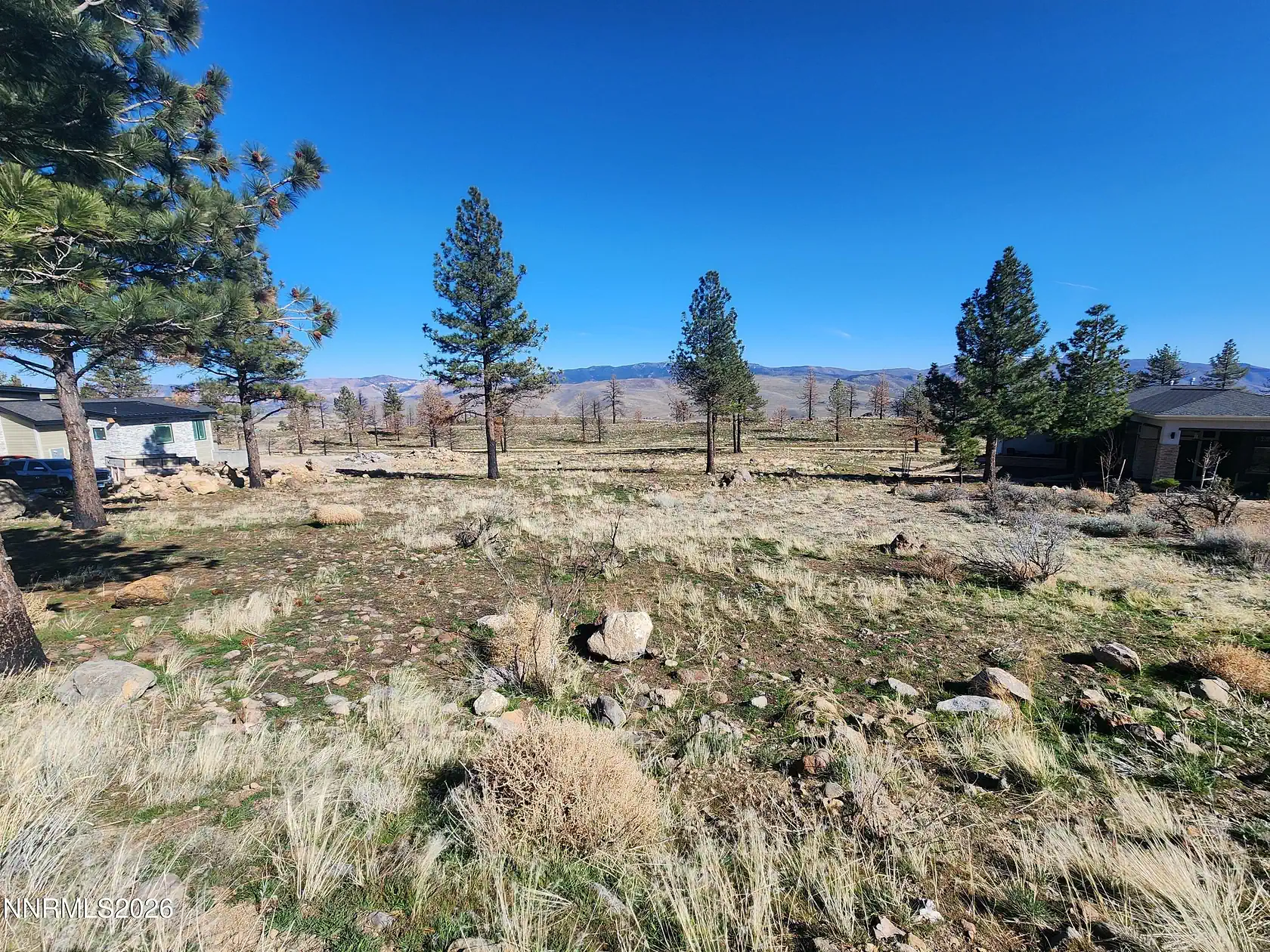
Mastication Turns Dense Woody Growth Into On-Site Mulch
You may not need mastication forestry on a fixed schedule, but certain changes make it worth having the situation reviewed. For Reno Tree Removal customers, the most common mastication forestry requests start with concerns such as:
- A larger acreage has dense brush and small woody growth that is inefficient to clear by hand
- Defensible space or fire mitigation work extends beyond the immediate house area
- You want cut vegetation processed on site rather than loaded and hauled away
- Access roads, fence lines, or open areas need vegetation reduced over a broader footprint
- A land-clearing project needs a less intensive finish than complete grubbing or excavation
- Woody vegetation has become too dense for routine property maintenance equipment
Not every item on this mastication forestry list leads to the same recommendation. We look at the complete situation and explain what level of work would actually address the problem, including whether a smaller or different service could be enough.
Two details that can change the recommendation for mastication forestry are whether A land-clearing project needs a less intensive finish than complete grubbing or excavation, and whether Woody vegetation has become too dense for routine property maintenance equipment. Those are the kinds of differences we want to understand during an estimate. A situation that looks simple from one angle can have another practical concern, so we would rather look at the whole problem before telling you what service makes sense.
When Mastication Forestry Is a Good Fit
For mastication forestry, understanding the surroundings is just as important as understanding the tree or vegetation itself. Our site review typically includes:
- acreage, slope, soil and rock conditions, and the size of material in the work area
- fences, irrigation, utilities, stumps, boulders, debris, and other objects that can limit machine operation
- trees, shrubs, buffers, or habitat areas you want retained
- machine access, turns, gates, road width, and safe operating room
- the mulch size, visual finish, and amount of remaining ground material you expect
These mastication forestry details matter to you because they affect access, production, property protection, debris handling, and the result you are buying. We explain the important constraints in plain language so the scope is clear without turning the estimate into a technical planning document.
We also pay attention to machine access, turns, gates, road width, and safe operating room and the mulch size, visual finish, and amount of remaining ground material you expect. For mastication forestry, those details can affect where the crew works, what needs to be protected, and how the finished area can reasonably be left. If either issue matters to another project you have planned, mention it during the estimate so the proposed scope supports what comes next.
What We Check Before Bringing Machinery Into the Area
For mastication forestry, we prefer the least complicated method that can reasonably accomplish the approved goal while respecting the surroundings. That may involve:
- mastication across suitable brush and small-tree areas
- hand or saw clearing around retained trees and sensitive features
- chipping or hauling where material needs to leave the site
- combining mastication with tree removal, defensible space, or land clearing for mixed vegetation
With mastication forestry, Reno Tree Removal will tell you what is being proposed and what is outside the scope so the final condition is not a surprise. If an option meaningfully changes cleanup, access, or what remains, we point that out before scheduling.
For some mastication forestry projects, the choice comes down to how much work is necessary now versus what can remain for later. Options such as hand or saw clearing around retained trees and sensitive features can be compared with combining mastication with tree removal, defensible space, or land clearing for mixed vegetation when both fit the goal. We will explain what each choice changes so you are not approving a larger scope simply because it is the first one discussed.
Mastication, Hand Clearing, Chipping, and Hauling Options
When you first contact Reno Tree Removal about mastication forestry, photos can help if they can be taken safely, but the work is ultimately planned around the real site. During the estimate we confirm acreage, slope, soil and rock conditions, and the size of material in the work area, review fences, irrigation, utilities, stumps, boulders, debris, and other objects that can limit machine operation, and account for trees, shrubs, buffers, or habitat areas you want retained. We also ask what you want to protect, keep, remove, or change.
On a mastication forestry work day, the crew follows the approved scope and may adjust the sequence when conditions require a safer or more practical approach. A material change to the agreed result should be discussed rather than quietly turning into a different job.
When access is tight or other people use the site, mastication forestry also requires a clear work zone. We consider gates, walkways, parking, neighboring property, landscaping, and other features that could affect how material or equipment moves through the property.
Before the mastication forestry work day, we also make sure the plan accounts for machine access, turns, gates, road width, and safe operating room and the mulch size, visual finish, and amount of remaining ground material you expect. If the approved approach includes mastication across suitable brush and small-tree areas, we want that understood before the crew starts setting up. Clear expectations about the work zone, material movement, and cleanup help the job move efficiently without turning normal property features into last-minute surprises.
Understanding the Finished Surface After Mechanical Treatment
Mastication Forestry can be a focused stand-alone service, but some properties have connected tree or vegetation needs. Reno Tree Removal looks at the whole work area without turning mastication forestry into a catch-all estimate.
With mastication forestry, the main request sometimes overlaps other work on the same property. If the situation also involves land clearing, brush removal and defensible space, we can review those items during the same estimate while keeping each service clearly separated. For additional public background related to this type of tree or property work, the existing page resource link to Washoe County wildland-urban interface guidance remains available.
For mastication forestry, tell us early if another contractor, utility, association, tenant, or project manager controls part of the site. Clear responsibility and access are especially important when tree work overlaps construction, energized infrastructure, shared property, or active commercial operations.
Keeping related work separate is especially useful when your main mastication forestry concern is that A larger acreage has dense brush and small woody growth that is inefficient to clear by hand. We can price the work that directly addresses that concern and identify anything else as an option. If combining mastication with tree removal, defensible space, or land clearing for mixed vegetation becomes useful later, you will know how it relates without having to commit to it as part of the first scope.
Why Choose Reno Tree Removal for Mastication Forestry?
Why hire Reno Tree Removal for mastication forestry? The value is in how the job is organized around the real tree or property, not in a list of slogans. Our mastication forestry approach includes:
- A suitability check before mastication is recommended
- Free estimates based on acreage, density, material size, terrain, and access
- Related land clearing, brush removal, and defensible space services
- Retained vegetation and exclusion areas identified before mechanical work begins
- Clear expectations about the mulch-like finished surface mastication leaves behind
Reno Tree Removal is licensed and insured, and estimates for mastication forestry are free. If the most useful recommendation is different from what you first asked for, we explain why so you can compare the options with a clear picture of the work.
For mastication forestry, that means you can expect us to pay attention to A suitability check before mastication is recommended, while also keeping Clear expectations about the mulch-like finished surface mastication leaves behind in view. Those points are specific to getting this kind of work right for the customer. The estimate is your opportunity to ask what is included, what alternatives exist, and what we expect the property to look like when the approved work is finished.
Frequently Asked Questions About Mastication Forestry
What does mastication leave on the ground?
The machine processes woody vegetation into smaller material that remains on the site as a mulch-like layer. The exact texture and coverage depend on the vegetation and equipment access.
What size trees can be masticated?
Capability depends on stem size, species, density, slope, rocks, and the equipment appropriate for the site. Larger trees may need separate felling or removal rather than being treated as ordinary brush.
Is mastication the same as land clearing?
It can be one method used in land clearing or fire mitigation, but it does not create the same result as grubbing, excavation, or removing all roots and organic material.
Can mastication be used around retained trees?
Yes in appropriate areas, but root flare, trunks, rocks, irrigation, fences, and desired vegetation need to be protected. Some detail work may be better completed by hand around sensitive features.