
TREE SERVICE VERDI, NV
Professional Tree Service in Verdi, NV
Reno Tree Removal provides tree service in Verdi, NV for wooded, sloped, and residential properties that need pruning, removals, vegetation work, or storm cleanup. Call today for a fast, free estimate.
- Licensed & Insured
- Locally Owned
- Serving Since 2016
Get Your Free Quote
By submitting this form, you agree to our Terms of Use including consent to receive calls regarding your free estimate.
Confidential · We respond within one business day
Home › Verdi, NV
At Reno Tree Removal, we help Verdi customers with tree work where terrain, retained trees, structures, and seasonal conditions can all influence the plan. A property may have mature trees close to the home, trees on a slope, dead material farther from the main yard, or storm damage that needs to be separated from routine maintenance.
We begin with your concern and the result you want. If the goal is to keep a healthy tree but improve clearance, we approach it differently from a declining tree that needs removal. If you are trying to reduce dead vegetation around a wooded property, we identify what should stay before discussing broader work. We also look at access and the route for brush and wood so the estimate reflects how the job can actually be completed, not just what can be seen from the road.
Where multiple retained trees are close together, we pay attention to the relationship between them rather than treating each trunk as an isolated job. Removing one tree can change exposure for the trees beside it, while aggressive pruning can change how a group of trees handles wind and snow. We keep the objective narrow and discuss what the surrounding canopy will look like after the work.
Customers may also want to combine tree work with cleanup of downed limbs or older woody debris. We can separate current tree pruning or removal from material that is already on the ground so the estimate is clear. That way you know whether the quote includes only the standing tree, cleanup around it, or both.
When to Call a Tree Service in Verdi, NV
Verdi property owners may call us for:
- Dead or declining trees near homes, driveways, fences, or access routes
- Broken limbs, storm damage, or trees that have shifted after severe weather
- Branches that need roof, driveway, or structure clearance
- Deadwood and vegetation that have accumulated around retained trees
- Unwanted trees or brush in an area that needs to stay usable
- Tree work on a slope where the material and work zone need careful planning
We do not treat every wooded property as a clearing project. During the estimate, we identify the specific trees or areas that concern you and separate those from healthy trees, screening, or vegetation you want to keep. That gives you a more controlled scope and a clearer finished condition.
Tree Work on Slopes and Wooded Properties
Slopes and wooded access can change where a crew can safely stage and where cut material can move. Before work starts, we look at gates, grades, nearby structures, retained trees, and level areas that may be useful for chipping or loading. If a machine cannot reasonably reach the work area, we plan around that rather than forcing equipment into unsuitable space.
The same principle applies to the cutting method. An open, accessible tree may allow a straightforward removal or pruning approach. A tree on a slope or surrounded by retained trees may need to be handled in smaller pieces with more control. We explain the approach in customer terms, including where the work zone will be and how cleanup is expected to happen.
Seasonal snow or wet ground can also affect access. If conditions are likely to change how the property can be reached, we discuss that before scheduling rather than after the crew arrives.
Wooded properties often contain trees with very different roles. Some provide shade or screening, some are part of the natural character of the lot, and others may be dead, damaged, or poorly located. We identify the trees you want to retain before recommending removal or broader vegetation work so the project does not unintentionally change the property more than you intended.
Managing Retained Trees, Dead Material, and Clearance
Many Verdi customers want to keep the character of a wooded property while reducing specific problems. That may mean pruning dead or damaged limbs, improving clearance around the home, or removing one tree that has declined while leaving the surrounding canopy intact.
Where dead vegetation and ladder fuels are a concern, fire mitigation and defensible space can involve more than tree pruning. We can discuss brush, dead material, lower limbs, and the relationship between retained vegetation and the areas you are trying to protect. The scope should fit the actual property, not a one-size-fits-all clearing formula.
We also explain cleanup choices. Slash, chips, logs, and smaller debris can be handled differently depending on access, volume, and what you want to retain on site.
When snow, wind, or saturated ground has recently affected a tree, the safest approach may be to reassess the work zone before routine cutting begins. A branch that was stable earlier in the season can shift, and a leaning or partially failed tree can behave differently from a standing healthy tree. We explain when the work needs a more cautious sequence and when routine pruning is still appropriate.
Why Choose Reno Tree Removal for Tree Service in Verdi?
Reno Tree Removal gives Verdi customers a practical plan before the cutting begins.
- Licensed and insured tree service
- Free estimates for residential and commercial work
- Careful planning around slopes, structures, retained trees, and access
- Clear discussion of pruning, removal, vegetation, and cleanup options
- Work scoped around the result you want from the property
If a tree has major decline or damage that makes retention impractical, we can explain tree removal options and how the tree can be taken down around the surrounding property. If pruning is the better choice, we will say that too.
Material handling on a slope deserves its own discussion. Logs and branches do not always stay where they are cut, and level staging space may be limited. We plan where pieces can be lowered or controlled and how they will reach a chipper or loading area. That planning protects retained trees and structures while giving you a realistic cleanup expectation.
Request a Free Verdi Tree Service Estimate
For a Verdi estimate, photos should show the full tree, the slope or surrounding terrain, nearby structures, and the route from the driveway. Let us know about gates, seasonal access, irrigation, septic areas, or any location you want the crew to avoid.
When a question involves county planning, development, or an easement outside our physical tree-work scope, the Washoe County Planning and Development resources provide current information. We keep those issues separate from the work we are quoting.
If you have a damaged tree, a clearance problem, or vegetation work to plan on a Verdi property, call Reno Tree Removal for a free estimate and a clear explanation of your options.
Our Tree Services in Verdi, NV
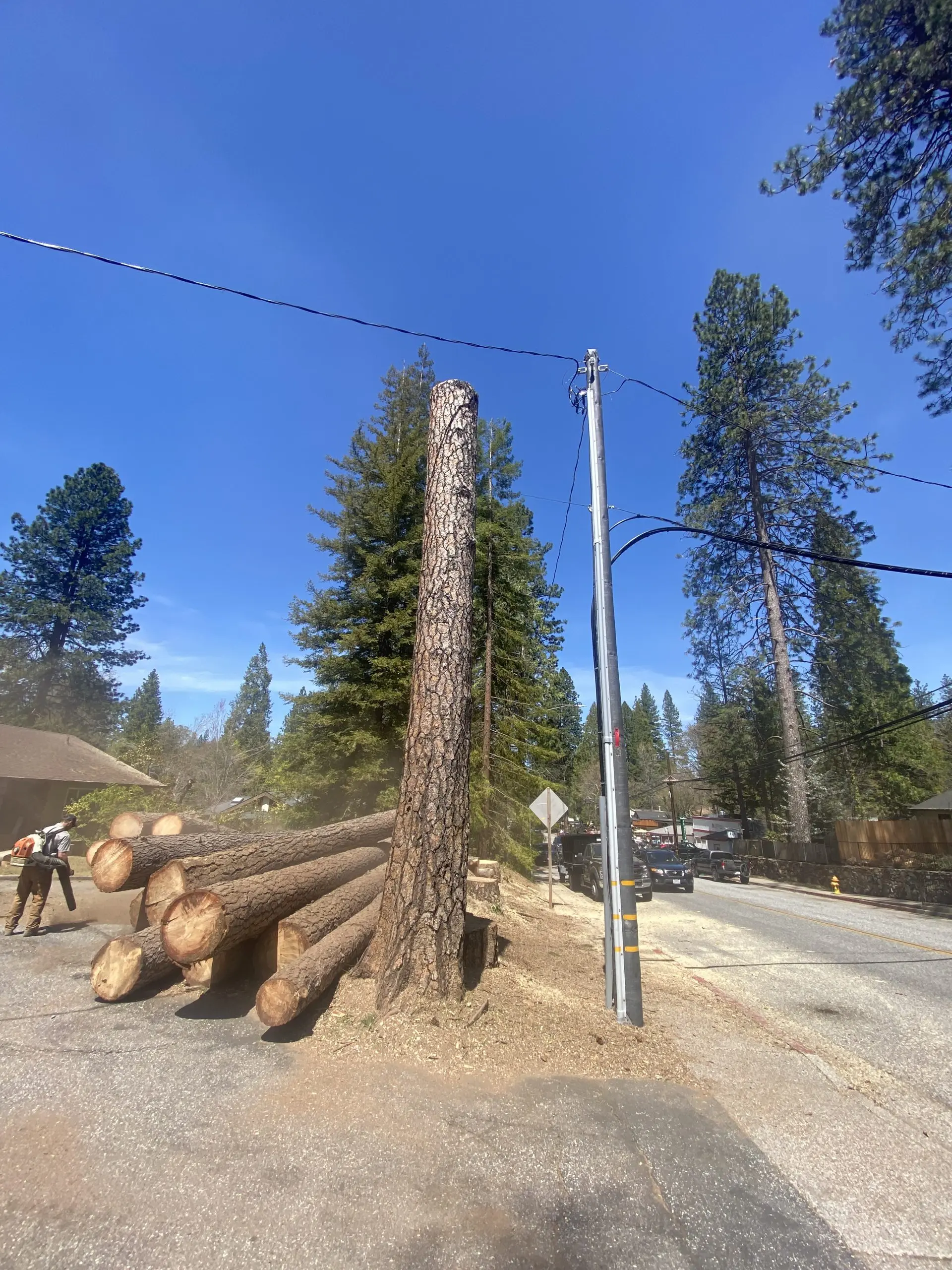
Tree Removal
Professional tree removal for hazardous, declining, storm-damaged, or unwanted trees, with the drop or rigging plan, debris route, cleanup, and stump follow-up defined before work begins.
- Controlled removal planning around structures, fences, utilities, and drop zones
- Rigging, sectional dismantling, or directional felling matched to the site
- Brush, logs, cleanup, and stump follow-up defined in the estimate
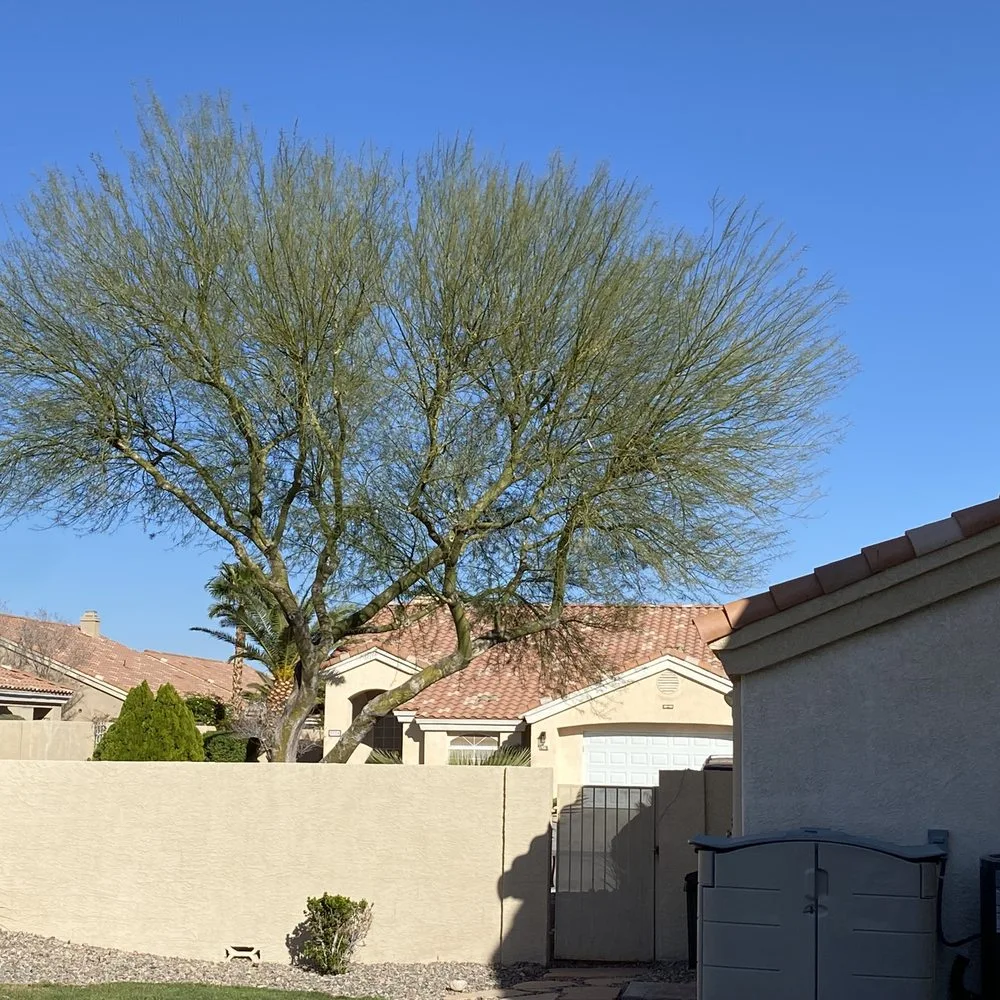
Tree Trimming
Tree trimming focused on the actual pruning objective, including deadwood, clearance, structural improvement, and retained-canopy needs rather than generic canopy reduction.
- Selective trimming for clearance, deadwood, structure, and retained canopy goals
- Cuts planned around branch unions, tree condition, and the reason for pruning
- Debris handling and any related tree work defined before scheduling
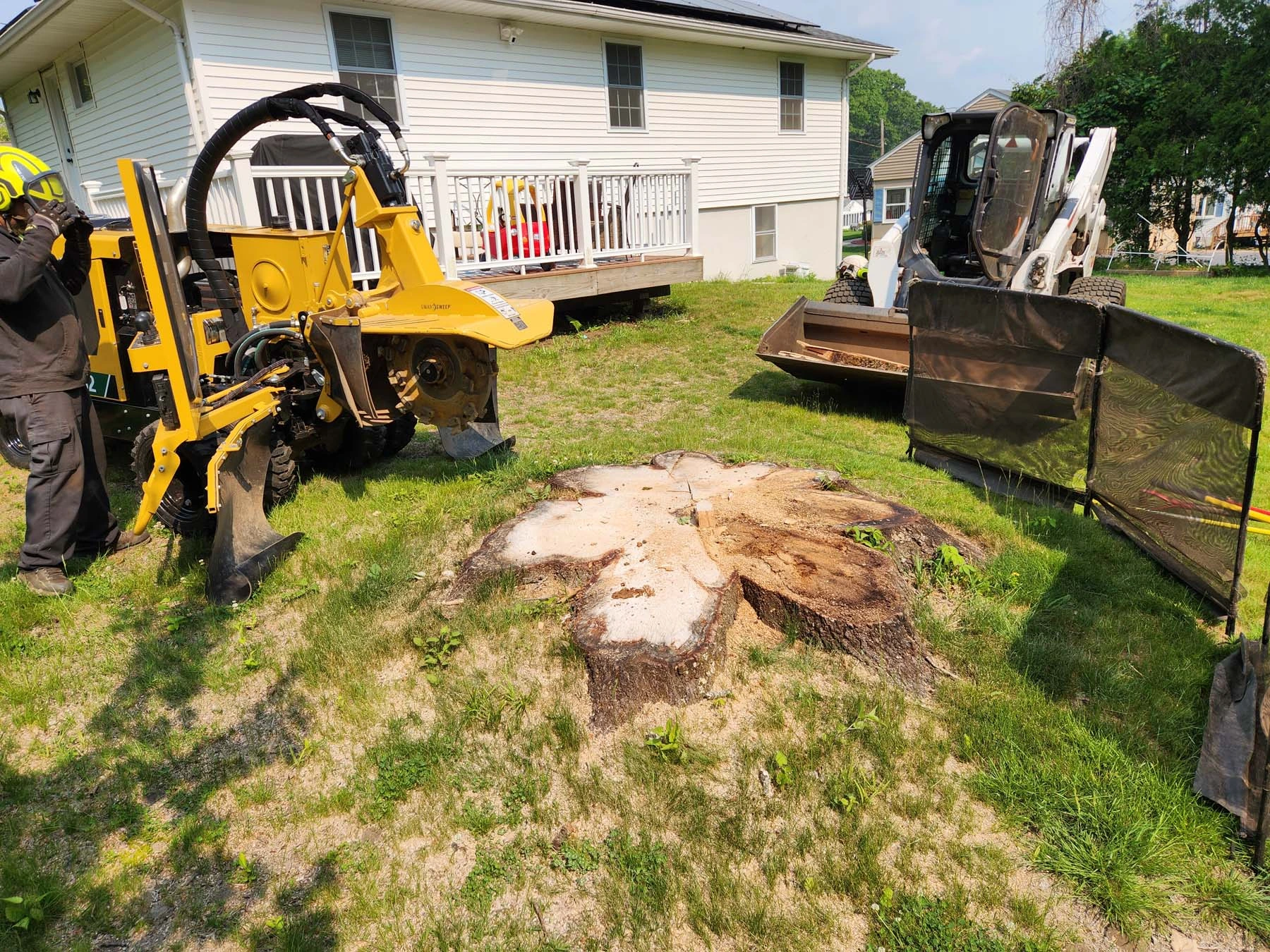
Stump Grinding
Stump grinding scoped by stump diameter, requested depth, surface roots, irrigation or utilities, machine access, and whether grindings stay, are hauled, or are used for backfill.
- Grinding depth and stump diameter matched to the next use of the area
- Gate width, surface roots, irrigation, utilities, and machine access reviewed
- Grindings, chip removal, backfill, and cleanup expectations stated in the scope
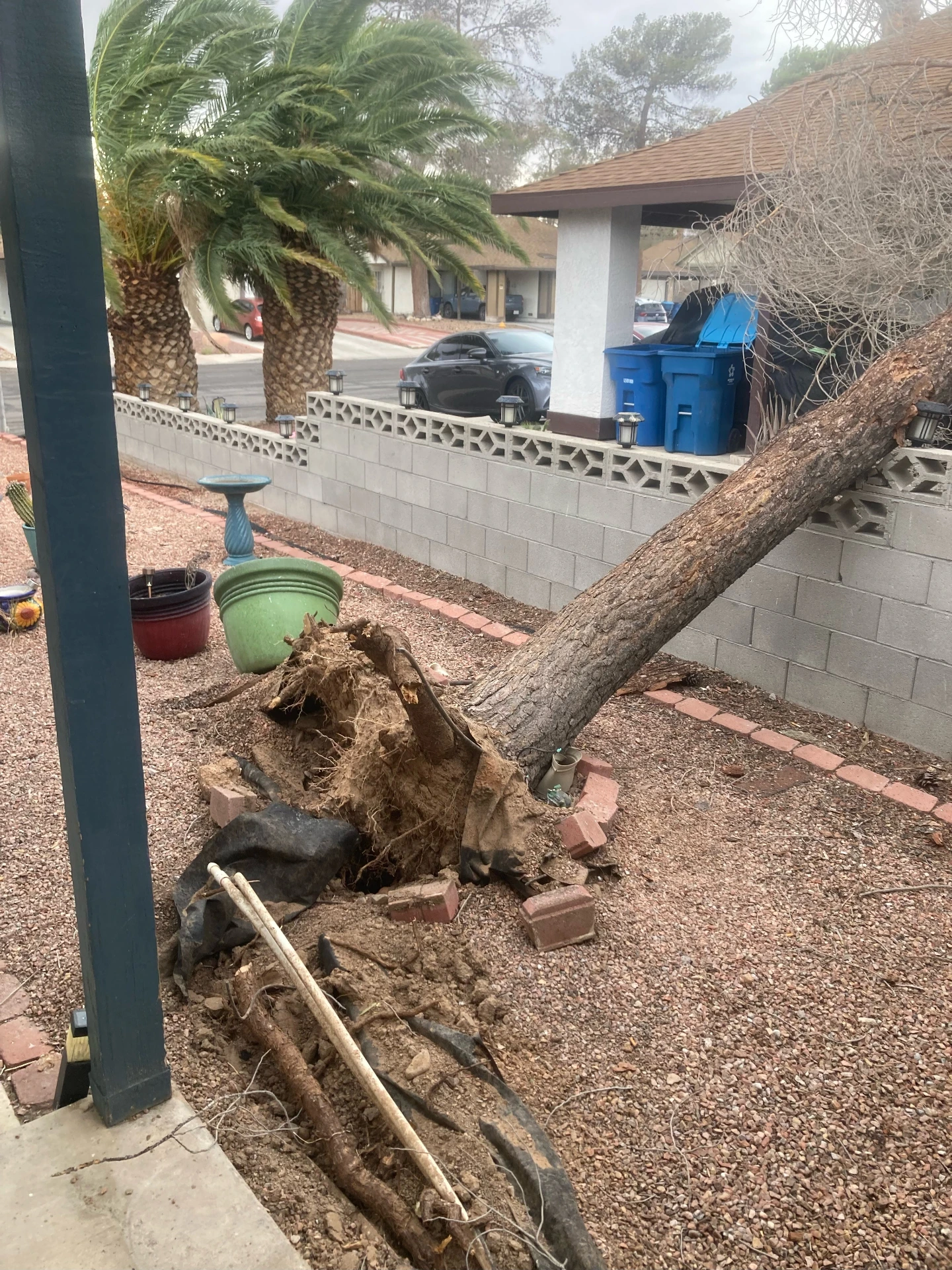
Emergency Tree Removal
Emergency tree removal for split, uprooted, hung, or failed material, with the immediate work zone and unstable sections addressed before routine cleanup or follow-up tree work.
- Storm-damaged, split, uprooted, hung, or unstable material evaluated first
- Work zones and removal sequences planned around exposed people and property
- Debris cleanup and any later stump or pruning work separated from the emergency scope
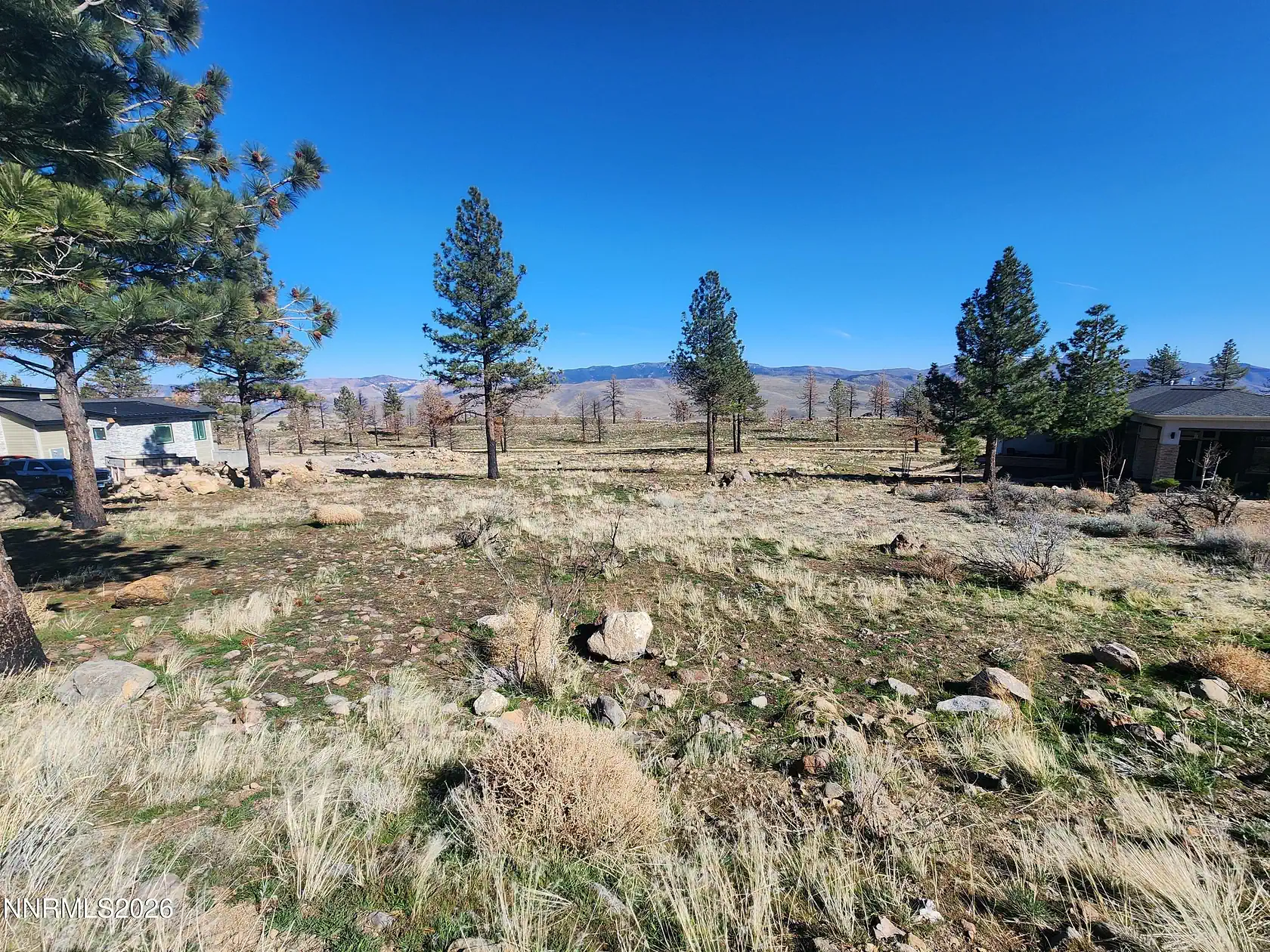
Land Clearing
Land clearing planned around vegetation density, retained trees, equipment access, material processing, haul-off, and the condition needed for the property’s next use.
- Tree, brush, and vegetation limits identified before clearing begins
- Retained trees, access lanes, slopes, and equipment routes protected in the plan
- Chipping, hauling, mastication, or retained material defined by the requested finish
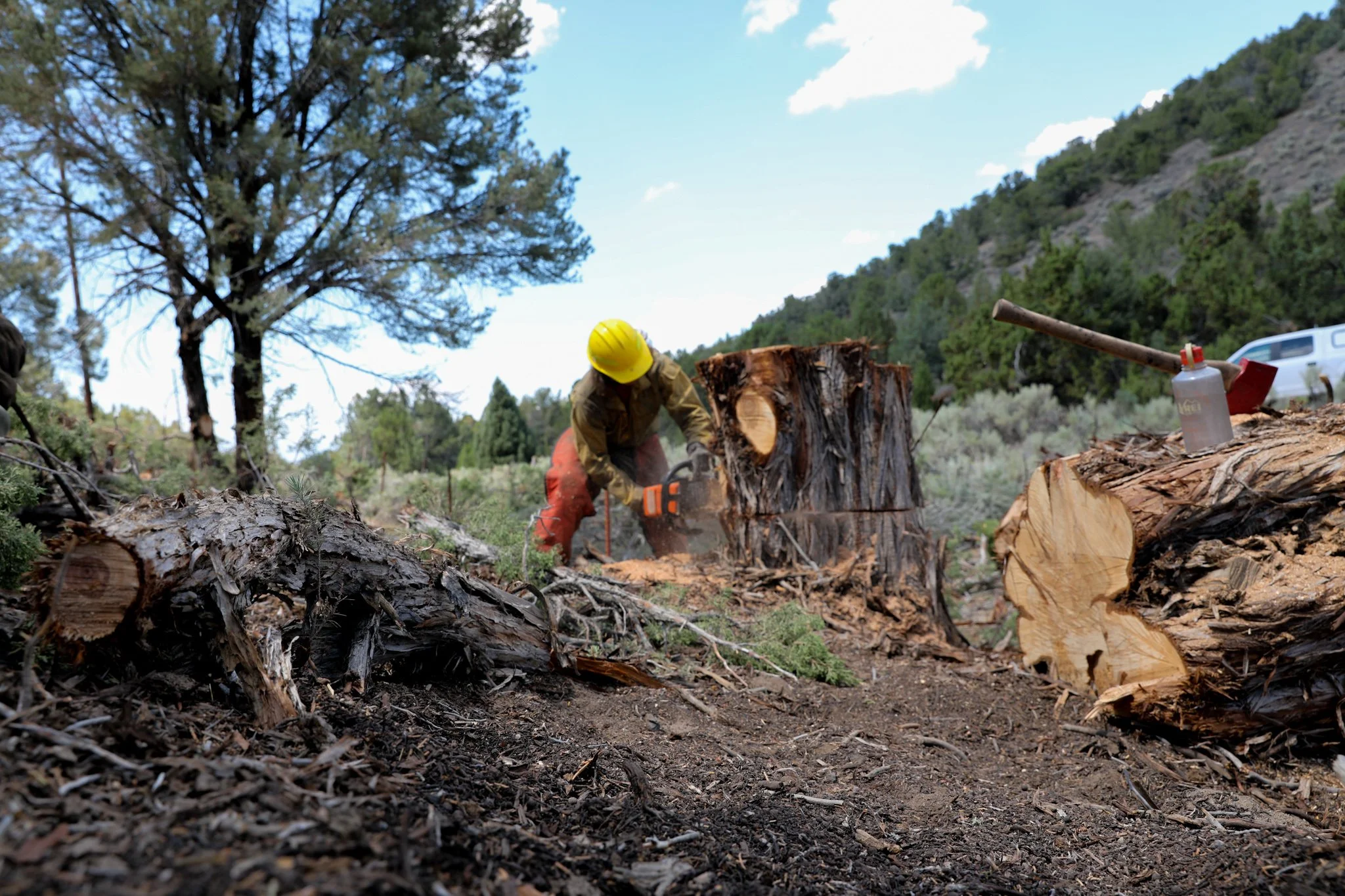
Defensible Space
Defensible space work that addresses dead material, ladder fuels, brush continuity, retained-tree clearance, and practical handling of slash, chips, and recurring maintenance.
- Dead vegetation, ladder fuels, and fuel continuity addressed around structures and access
- Tree spacing, limbing, brush reduction, and retained screening balanced to the property
- Slash, chips, and recurring maintenance expectations included in the cleanup plan