
TREE SERVICE LOVELOCK, NV
Professional Tree Service in Lovelock, NV
Reno Tree Removal provides tree service in Lovelock, NV for town properties and rural lots needing pruning, removals, brush work, clearing, or stump cleanup. Call today for a fast, free estimate.
- Licensed & Insured
- Locally Owned
- Serving Since 2016
Get Your Free Quote
By submitting this form, you agree to our Terms of Use including consent to receive calls regarding your free estimate.
Confidential · We respond within one business day
Home › Lovelock, NV
At Reno Tree Removal, we help Lovelock customers with tree and vegetation work on both in-town properties and larger rural lots. A project may be one tree beside a house, a group of trees around a driveway or working area, or brush and unwanted growth farther into the property. The right scope depends on what you want to change and what you want to keep.
We ask about the problem first. If a tree is damaged or declining, we look at whether pruning can address the concern or whether removal is more appropriate. If the issue is overgrown vegetation, we define the area before discussing clearing. We also look at the route for equipment and debris because a tree that is easy to reach from the road is a different job from one that is behind fencing or a long distance from the loading area.
When hauling distance within the property is significant, it is helpful to decide whether all material truly needs to leave the site. Some customers prefer complete haul-off, while others have an appropriate place for chips or manageable wood. We can discuss those choices during the estimate and keep them clearly separated from the cutting itself.
We also recognize that rural properties often have work priorities beyond appearance. Access, mowing, fencing, shade, animal areas, and future use may matter more than creating a uniform landscape. Tell us what the area needs to do for you after the job. That information is often more useful than asking for generic trimming or cleanup across the whole property.
If a project includes both tree work and brush cleanup, we can describe those as separate line items or work areas. That makes it easier to understand the difference between improving a retained tree and changing the vegetation around it, especially when you may want to phase the work.
When to Call for Tree Service in Lovelock, NV
Lovelock property owners may request tree service for:
- Dead, declining, or damaged trees near homes, outbuildings, or access routes
- Broken limbs or deadwood over areas that people, vehicles, or animals use
- Trees that need clearance from roofs, fences, driveways, or working areas
- Old stumps that interfere with mowing, access, landscaping, or fencing
- Brush and unwanted saplings spreading into areas you want to keep open
- Several trees that need to be prioritized instead of all treated the same way
We separate immediate problems from maintenance and broader cleanup goals. A single declining tree should not automatically turn into a whole-property removal project. Likewise, a brush-clearing job needs a defined boundary so the crew knows what should stay untouched.
Planning Tree Work on Town Lots and Rural Properties
Before the crew arrives, we look at how the work area connects to the driveway or road. Gates, fencing, soft ground, irrigation, outbuildings, and long material routes can affect how brush and wood are moved. We explain those factors during the estimate so you know where the work zone will be and what access is needed.
If a tree requires tree removal, we choose the method around the available space and nearby targets. Open ground may allow controlled felling, while a tree close to a home, fence, vehicle area, or retained tree may need to come down in sections.
Cleanup is part of the decision too. You may want brush hauled, chips retained, or wood cut to manageable sizes. Those choices can be defined before work begins rather than becoming an unexpected question at the end of the job.
Rural tree work can involve more travel between the tree and the place where material is processed or loaded. We account for that route when we build the scope. A tree may have plenty of open space around it yet still require significant hand movement if gates, fencing, soft areas, or distance keep equipment from getting close.
Keeping Useful Trees While Removing Problem Trees and Brush
Mature trees can provide shade, screening, or other value even when parts of the property need cleanup. We do not treat every large tree as a liability. If pruning can address deadwood, clearance, or a limited branch problem, we explain that option. If a tree has major decline or structural damage, we explain why removal may be more practical.
Broader vegetation work is handled separately. Brush removal can address unwanted growth without changing every tree on the site, while land clearing is more appropriate when a defined area is being prepared for another use. In both cases, identifying retained vegetation first gives the crew a clear limit.
The goal is a property that works better for you after the job, not simply a larger pile of material removed.
Shade and screening can be especially valuable on open properties, so removing a mature tree should be a deliberate choice. If a tree is healthy enough to keep and the issue can be solved with targeted pruning, we can explain that option. If decline or structural damage makes removal more sensible, we explain what we are seeing and what the removal would change.
Why Lovelock Customers Choose Reno Tree Removal
Lovelock customers choose Reno Tree Removal for clear service and practical planning.
- Licensed and insured tree service
- Free estimates
- Residential and commercial work
- Clear boundaries for removal and clearing projects
- Cleanup and material choices discussed before scheduling
If you are unsure how much work is appropriate, we can separate the must-do items from maintenance or future projects. That lets you make a decision without treating every tree or area of vegetation as equally urgent.
For larger cleanup projects, we can also divide the property into phases. The area around the home or main access may be handled first, with farther sections scheduled later if needed. This can make a broad vegetation project easier to budget and helps ensure the crew is working first where the result matters most to you.
Request a Free Lovelock Tree Service Estimate
For a Lovelock estimate, send wide photos of the tree, surrounding property, gates, fencing, nearby structures, and the route toward the road or driveway. For clearing work, show the intended boundary and identify trees or screening you want left in place.
Municipal information or property questions outside the tree-service scope can be checked through the City of Lovelock. Our estimate remains focused on the physical work Reno Tree Removal is being asked to perform.
Whether you need one problem tree addressed or a defined area cleaned up, contact Reno Tree Removal for a free tree service estimate in Lovelock, NV.
Our Tree Services in Lovelock, NV
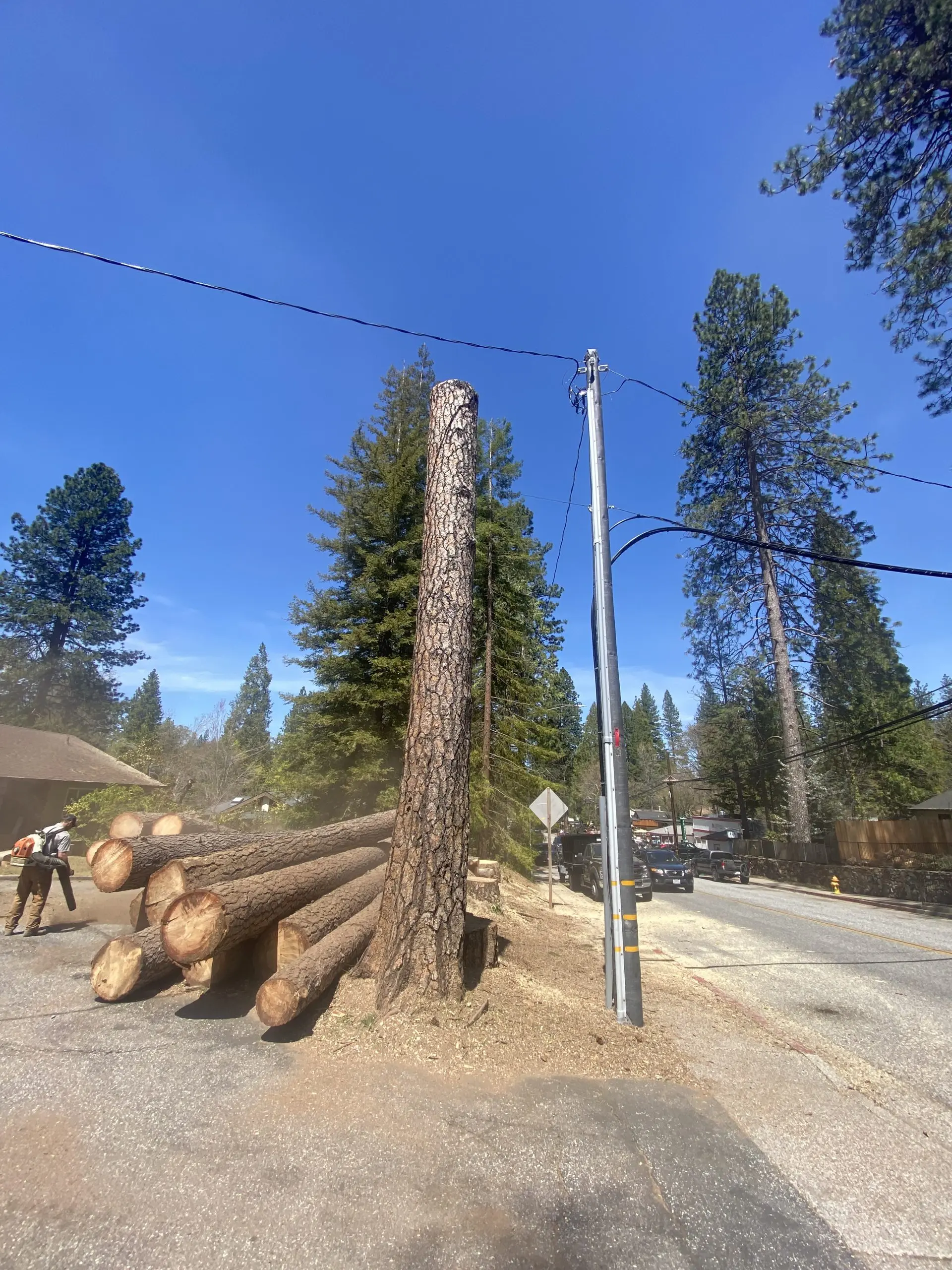
Tree Removal
Professional tree removal for hazardous, declining, storm-damaged, or unwanted trees, with the drop or rigging plan, debris route, cleanup, and stump follow-up defined before work begins.
- Controlled removal planning around structures, fences, utilities, and drop zones
- Rigging, sectional dismantling, or directional felling matched to the site
- Brush, logs, cleanup, and stump follow-up defined in the estimate
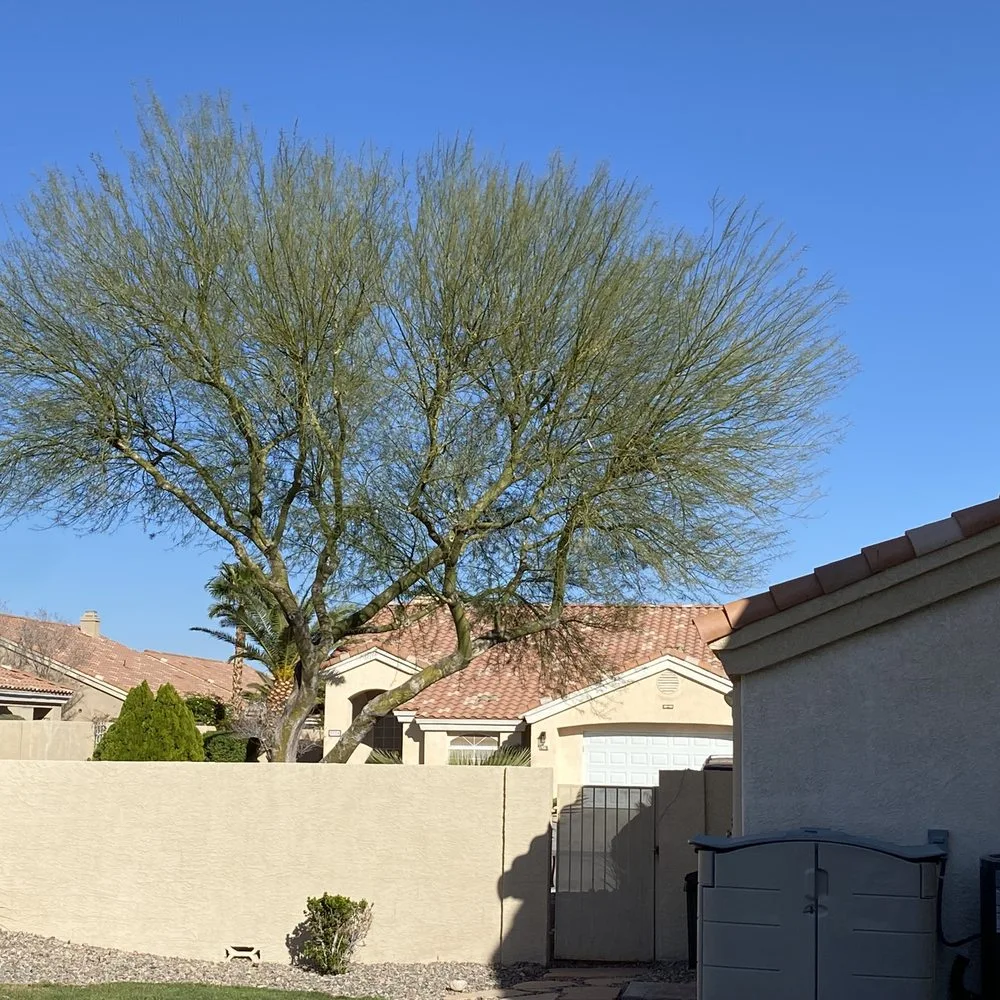
Tree Trimming
Tree trimming focused on the actual pruning objective, including deadwood, clearance, structural improvement, and retained-canopy needs rather than generic canopy reduction.
- Selective trimming for clearance, deadwood, structure, and retained canopy goals
- Cuts planned around branch unions, tree condition, and the reason for pruning
- Debris handling and any related tree work defined before scheduling
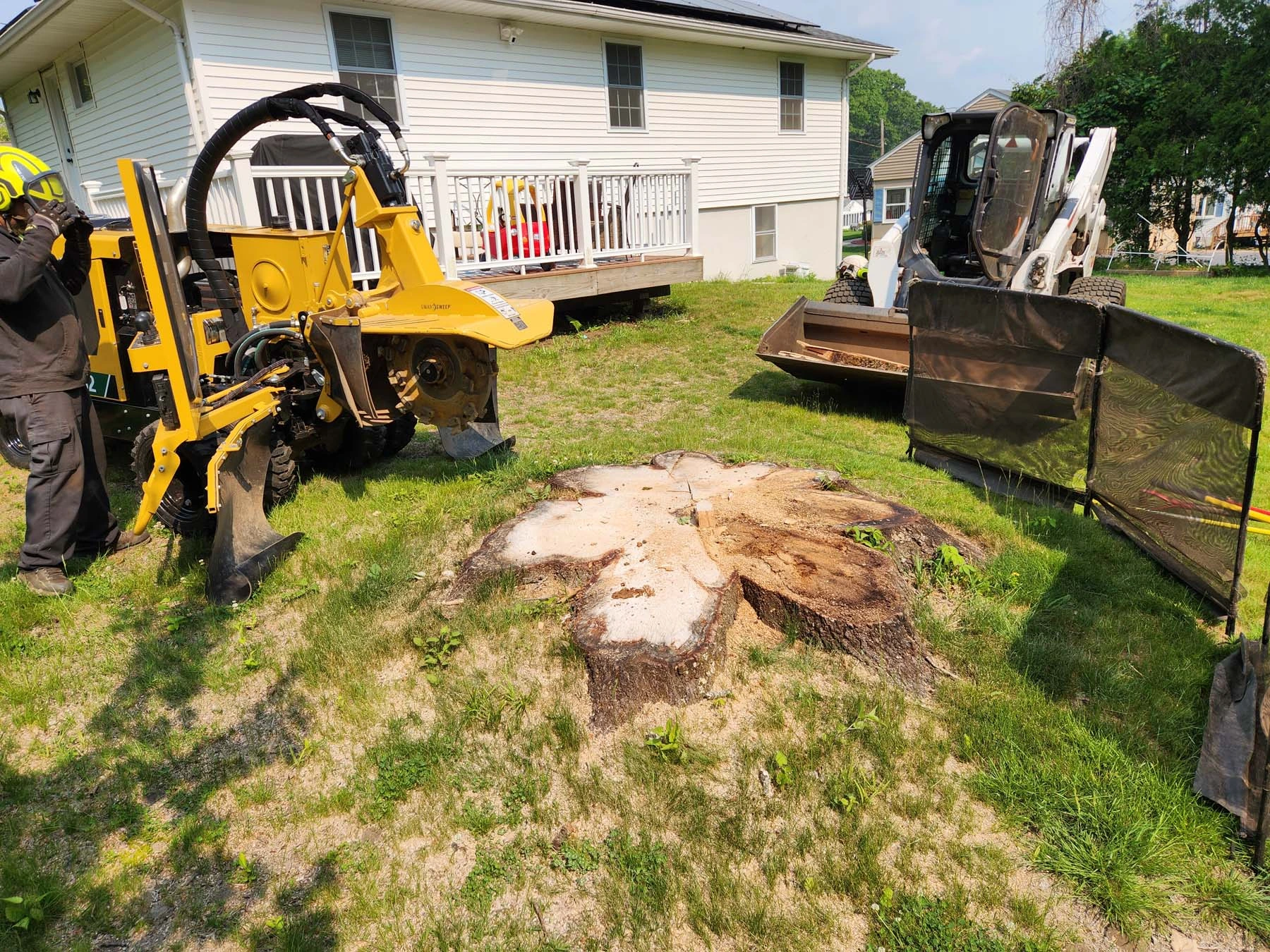
Stump Grinding
Stump grinding scoped by stump diameter, requested depth, surface roots, irrigation or utilities, machine access, and whether grindings stay, are hauled, or are used for backfill.
- Grinding depth and stump diameter matched to the next use of the area
- Gate width, surface roots, irrigation, utilities, and machine access reviewed
- Grindings, chip removal, backfill, and cleanup expectations stated in the scope
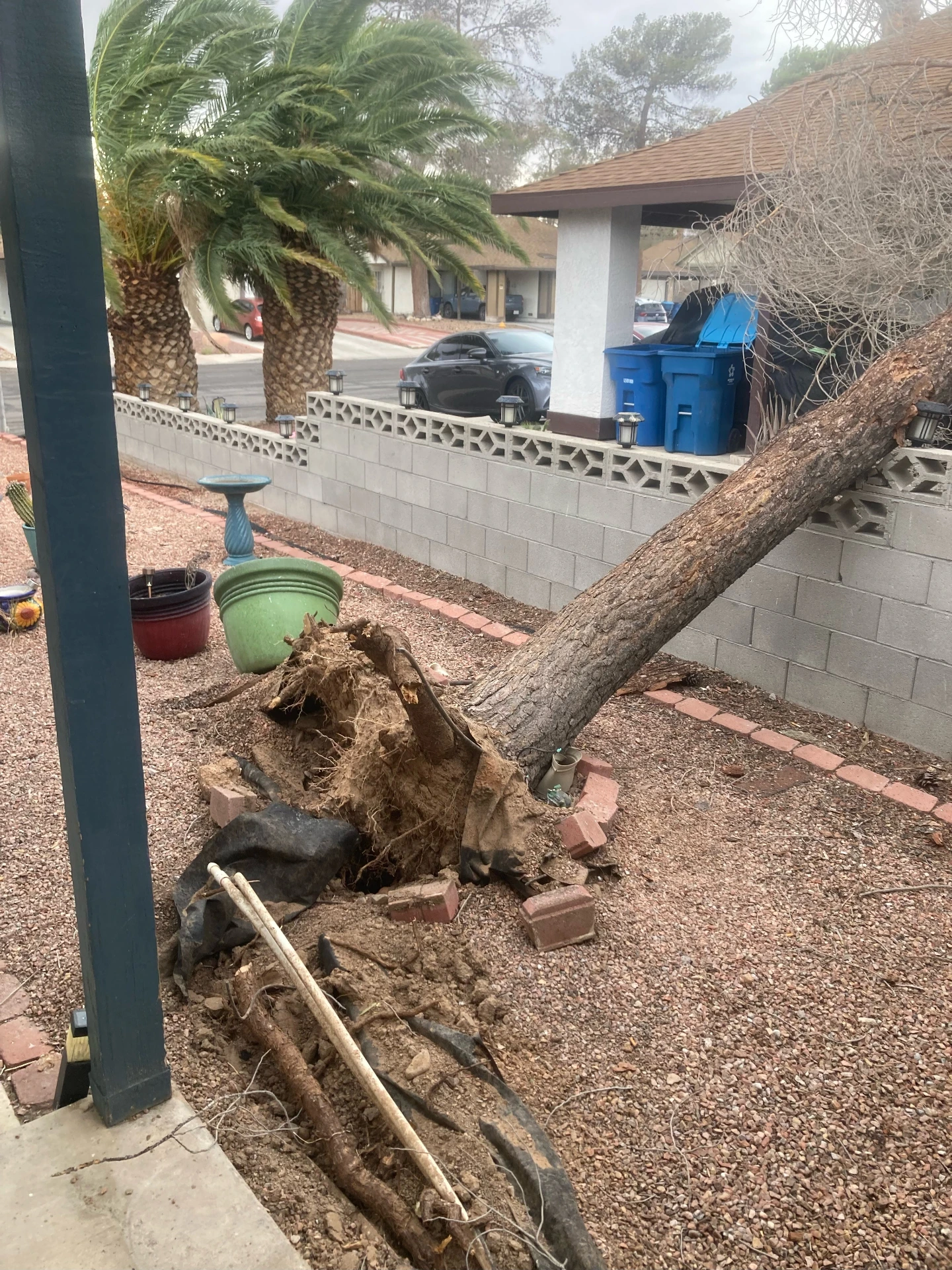
Emergency Tree Removal
Emergency tree removal for split, uprooted, hung, or failed material, with the immediate work zone and unstable sections addressed before routine cleanup or follow-up tree work.
- Storm-damaged, split, uprooted, hung, or unstable material evaluated first
- Work zones and removal sequences planned around exposed people and property
- Debris cleanup and any later stump or pruning work separated from the emergency scope
Land Clearing
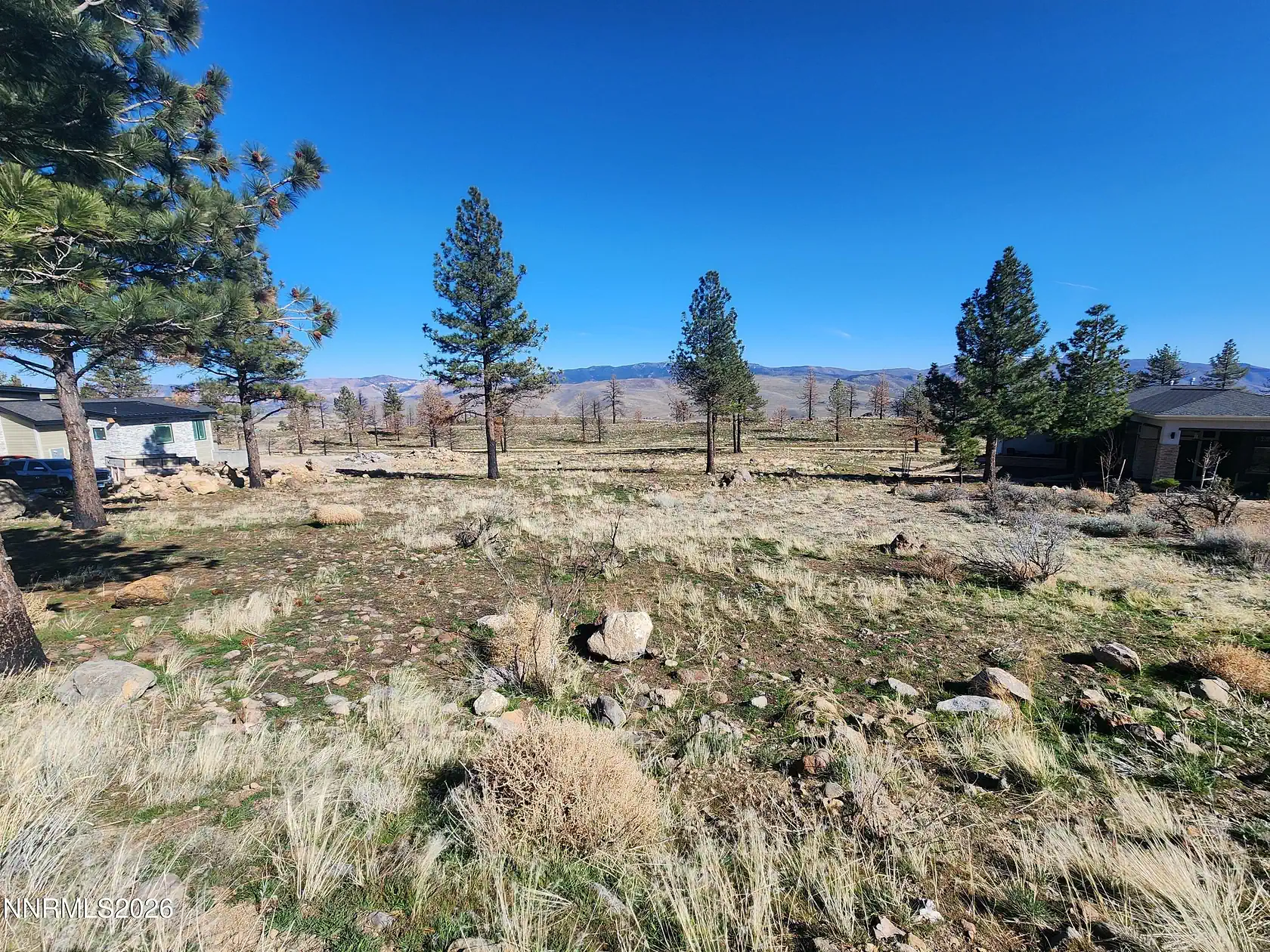
Land clearing planned around vegetation density, retained trees, equipment access, material processing, haul-off, and the condition needed for the property’s next use.
- Tree, brush, and vegetation limits identified before clearing begins
- Retained trees, access lanes, slopes, and equipment routes protected in the plan
- Chipping, hauling, mastication, or retained material defined by the requested finish
Defensible Space
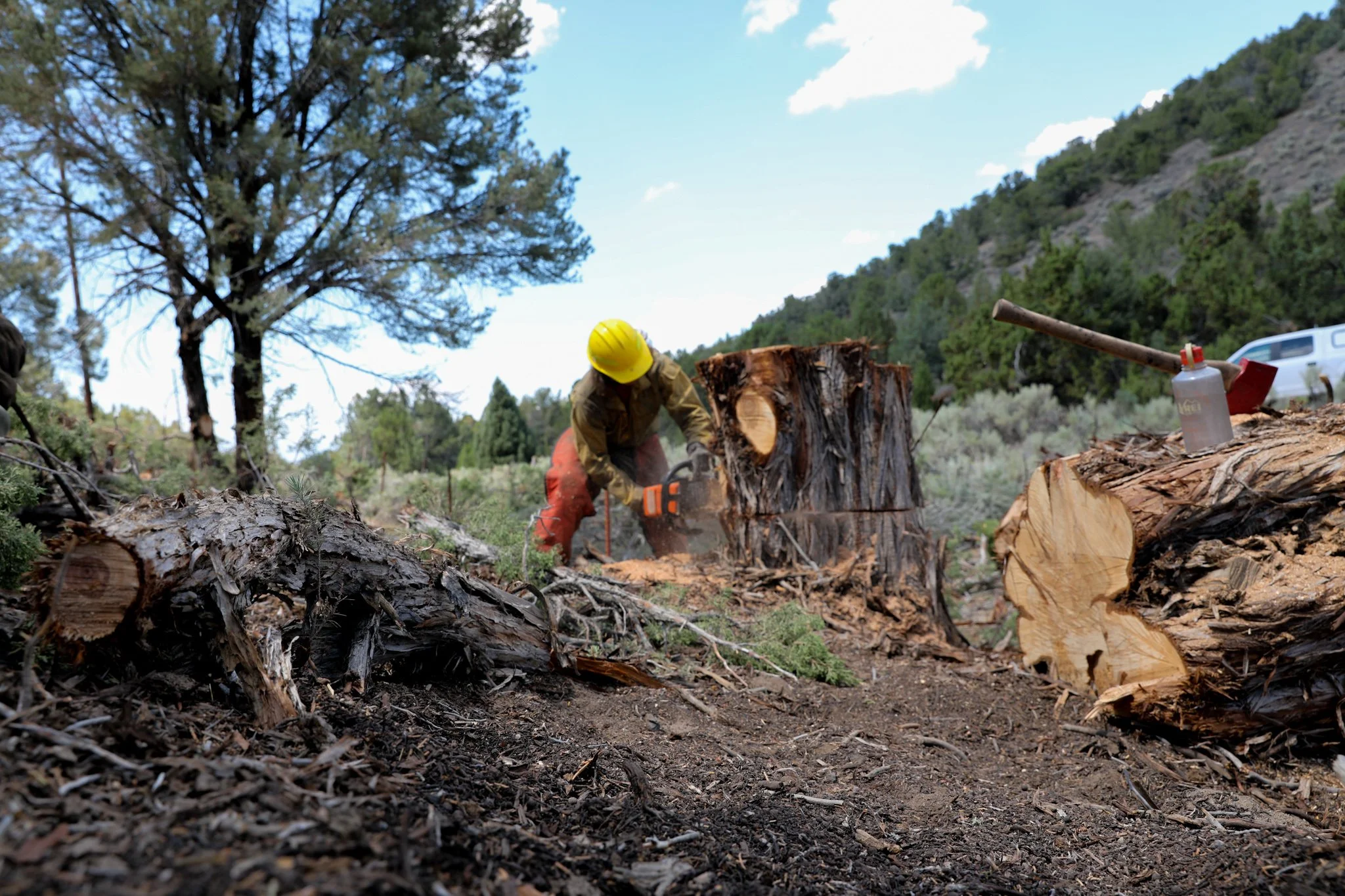
Defensible space work that addresses dead material, ladder fuels, brush continuity, retained-tree clearance, and practical handling of slash, chips, and recurring maintenance.
- Dead vegetation, ladder fuels, and fuel continuity addressed around structures and access
- Tree spacing, limbing, brush reduction, and retained screening balanced to the property
- Slash, chips, and recurring maintenance expectations included in the cleanup plan