
TREE SERVICE COLD SPRINGS, NV
Professional Tree Service in Cold Springs, NV
Reno Tree Removal provides tree service in Cold Springs, NV for pruning, removals, brush work, and vegetation projects around homes and larger residential properties. Call today for a fast, free estimate.
- Licensed & Insured
- Locally Owned
- Serving Since 2016
Get Your Free Quote
By submitting this form, you agree to our Terms of Use including consent to receive calls regarding your free estimate.
Confidential · We respond within one business day
Home › Cold Springs, NV
At Reno Tree Removal, we help Cold Springs homeowners with tree and vegetation work that can range from one problem branch to a larger cleanup around the property. You may want a tree pruned away from a structure, a declining tree removed, brush reduced near the home, or several areas cleaned up without stripping the landscape you want to keep.
We start by asking what concerns you and what you want the property to look like afterward. That helps us separate tree maintenance from vegetation work and from removal. We also look at fences, grades, gates, irrigation, nearby structures, and the route for brush and wood. The estimate should make it clear which trees or areas are included, how the work is expected to be completed, and what cleanup is part of the job.
Customers sometimes call after vegetation has been cut in the past but has grown back in a way that is difficult to maintain. In that situation, we look at the current growth and the area you want to keep open. The next step may involve brush removal, selective tree work, or a more defined maintenance boundary rather than simply repeating the same cutting everywhere.
Tree service can also be coordinated with ordinary yard use. If you need driveway access, have pets or children using part of the property, or want landscaped areas kept separate from the work zone, let us know. We can explain which areas need to be temporarily clear and which parts of the property can continue to be used normally while the job is underway.
Common Reasons to Call for Tree Service in Cold Springs
You may want a tree-service estimate when you are dealing with:
- Dead, declining, or damaged trees near the home or driveway
- Broken limbs or deadwood that could fall into areas you use
- Branches that need clearance from roofs, fences, walkways, or access routes
- Brush and dry vegetation building up around maintained areas
- Unwanted saplings or small trees spreading into spaces you want to keep open
- Storm damage or a tree that has recently shifted, split, or failed
We look at the immediate concern first, then talk about maintenance or vegetation work that can be grouped with it if that makes sense. A customer who calls about one damaged tree should not automatically be sold a whole-property cleanup, and a broader brush project should still have clear boundaries.
Pruning and Vegetation Work Around the Home
Tree pruning and vegetation reduction solve different problems. If a retained tree needs deadwood removed or a specific clearance issue corrected, selective pruning may be enough. If the concern is dry brush, ladder fuels, or dead vegetation around maintained areas, defensible space or brush removal may be the better fit.
Before work begins, we look at what should remain. Healthy trees, useful screening, established landscaping, and areas the customer wants left alone are identified before broader vegetation work starts. That makes the finished condition easier to control.
We also discuss what happens to the material. Depending on the project, brush may be chipped, hauled, or handled in another agreed way. Those cleanup expectations belong in the estimate rather than being decided after the work is underway.
When brush and tree work overlap, we can separate the services so you understand what each part is accomplishing. Pruning may improve a retained tree, while brush reduction changes the vegetation beneath and around it. Keeping those objectives distinct helps avoid cutting healthy trees more heavily than necessary just because the surrounding property also needs cleanup.
Access, Slopes, and the Areas You Want to Keep
Cold Springs properties can have fences, changing grades, soft areas, or work zones that are not directly beside the driveway. We review the route before selecting how the job should be performed. A gate that is fine for people may not be suitable for a machine, and a sloped or soft area may change where brush should be processed or how wood should be moved.
That does not mean every project requires large equipment. We match the approach to the access that is actually available. For some trees, climbing and hand movement may be more practical. For others, open space may allow equipment to work efficiently without crossing maintained landscape areas.
We explain those tradeoffs during the estimate so you know where the crew will work and which parts of the property need to stay clear.
For properties with slopes or fenced sections, we look at where cut material can move safely downhill or across the site and where it should be processed. A work zone that looks open from one angle may have limited access from the driveway. We account for that before scheduling so the crew is not improvising a debris route through landscaping or other maintained areas.
Why Cold Springs Customers Choose Reno Tree Removal
Customers call Reno Tree Removal when they want tree and vegetation work explained around the property they actually have.
- Licensed and insured tree service
- Free estimates
- Residential and commercial work
- Clear boundaries for pruning, brush work, and vegetation reduction
- Cleanup expectations discussed before scheduling
If your goal includes reducing vegetation as part of wildfire preparation, we can also discuss fire mitigation as a broader objective. We will explain which parts of the proposed work are tree service, which are vegetation management, and how the pieces fit together.
Vegetation projects can also be phased. If the immediate concern is dead material near the home, that work can be separated from a larger future cleanup farther out on the property. A phased estimate gives you the option to address the highest-priority area first while still understanding what broader maintenance may look like later.
Schedule a Free Cold Springs Tree Service Estimate
When you request a Cold Springs estimate, wide photos of the tree, nearby structures, gates, slopes, and the route from the driveway are helpful. Let us know about irrigation, animals, soft ground, or places where you do not want equipment traveling.
Questions involving county planning, development, or easements outside the tree-service scope can be checked through the Washoe County Planning and Development resources. Our estimate stays focused on the work Reno Tree Removal is being asked to perform.
If you are unsure whether the right answer is pruning, removal, brush work, or a combination, call us and describe the problem. We can look at the property and provide a free estimate.
Our Tree Services in Cold Springs, NV
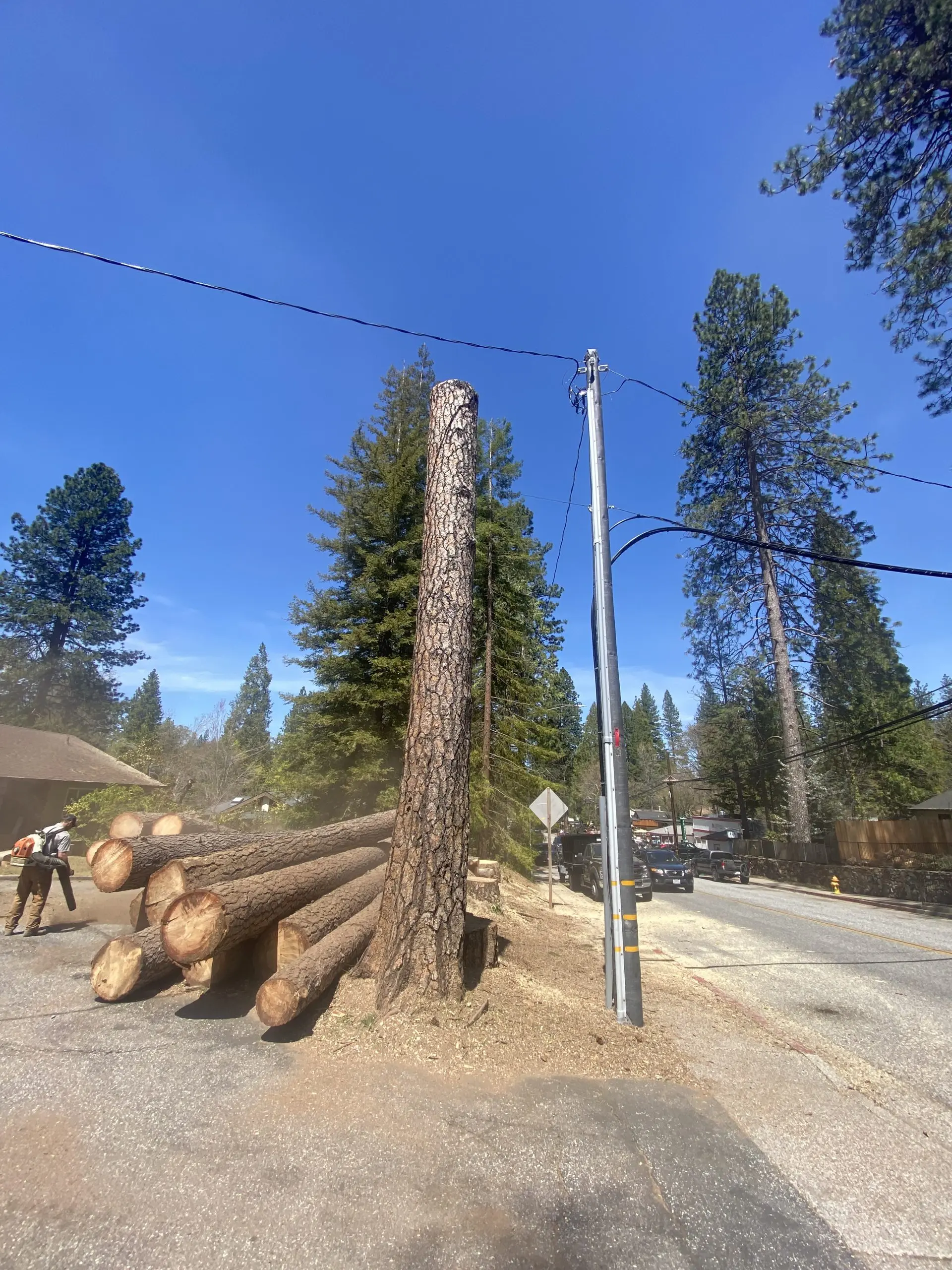
Tree Removal
Professional tree removal for hazardous, declining, storm-damaged, or unwanted trees, with the drop or rigging plan, debris route, cleanup, and stump follow-up defined before work begins.
- Controlled removal planning around structures, fences, utilities, and drop zones
- Rigging, sectional dismantling, or directional felling matched to the site
- Brush, logs, cleanup, and stump follow-up defined in the estimate
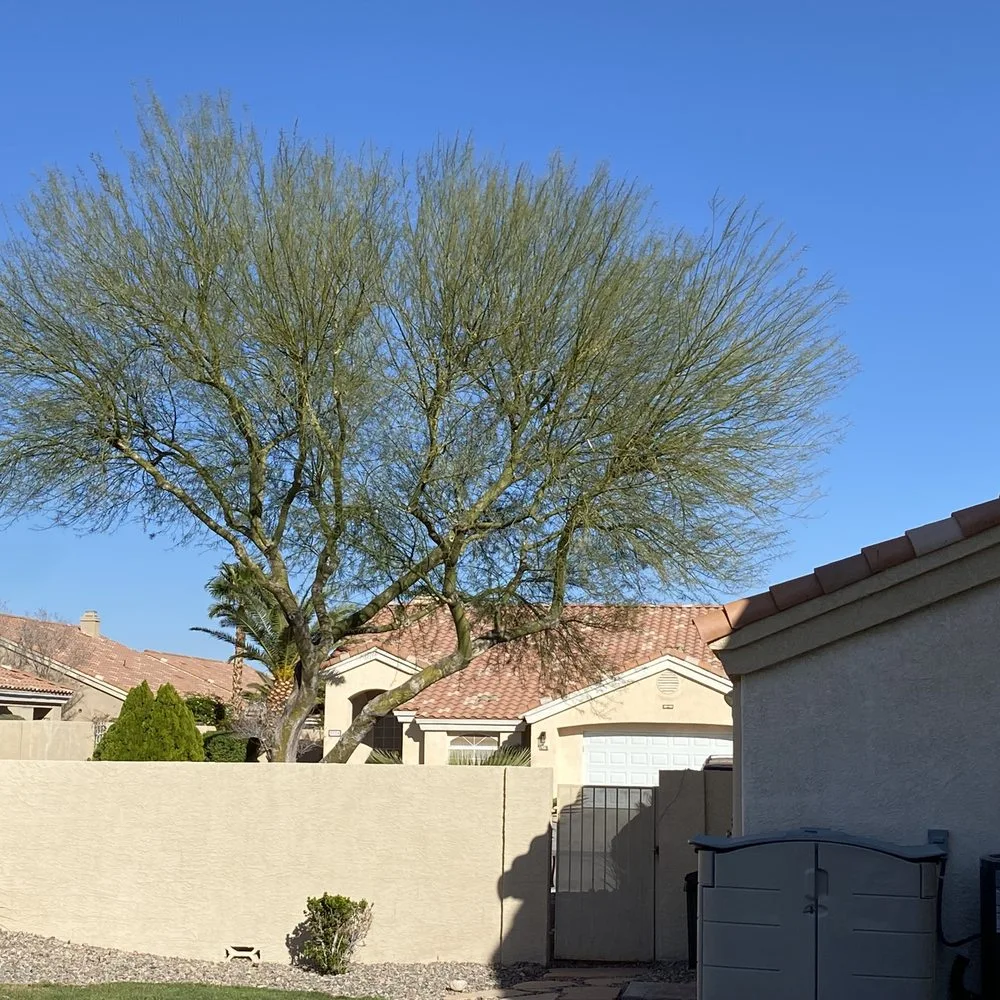
Tree Trimming
Tree trimming focused on the actual pruning objective, including deadwood, clearance, structural improvement, and retained-canopy needs rather than generic canopy reduction.
- Selective trimming for clearance, deadwood, structure, and retained canopy goals
- Cuts planned around branch unions, tree condition, and the reason for pruning
- Debris handling and any related tree work defined before scheduling
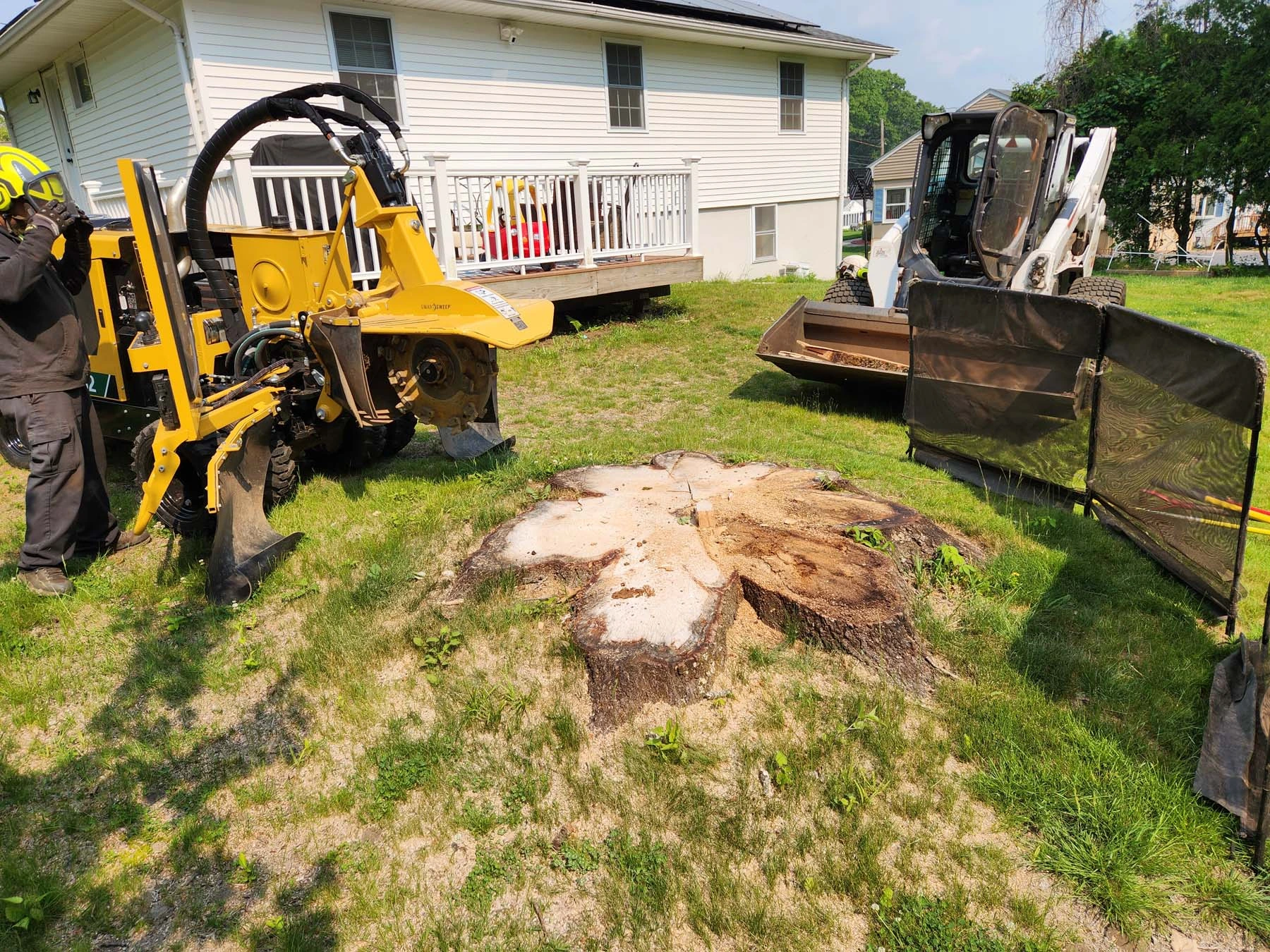
Stump Grinding
Stump grinding scoped by stump diameter, requested depth, surface roots, irrigation or utilities, machine access, and whether grindings stay, are hauled, or are used for backfill.
- Grinding depth and stump diameter matched to the next use of the area
- Gate width, surface roots, irrigation, utilities, and machine access reviewed
- Grindings, chip removal, backfill, and cleanup expectations stated in the scope
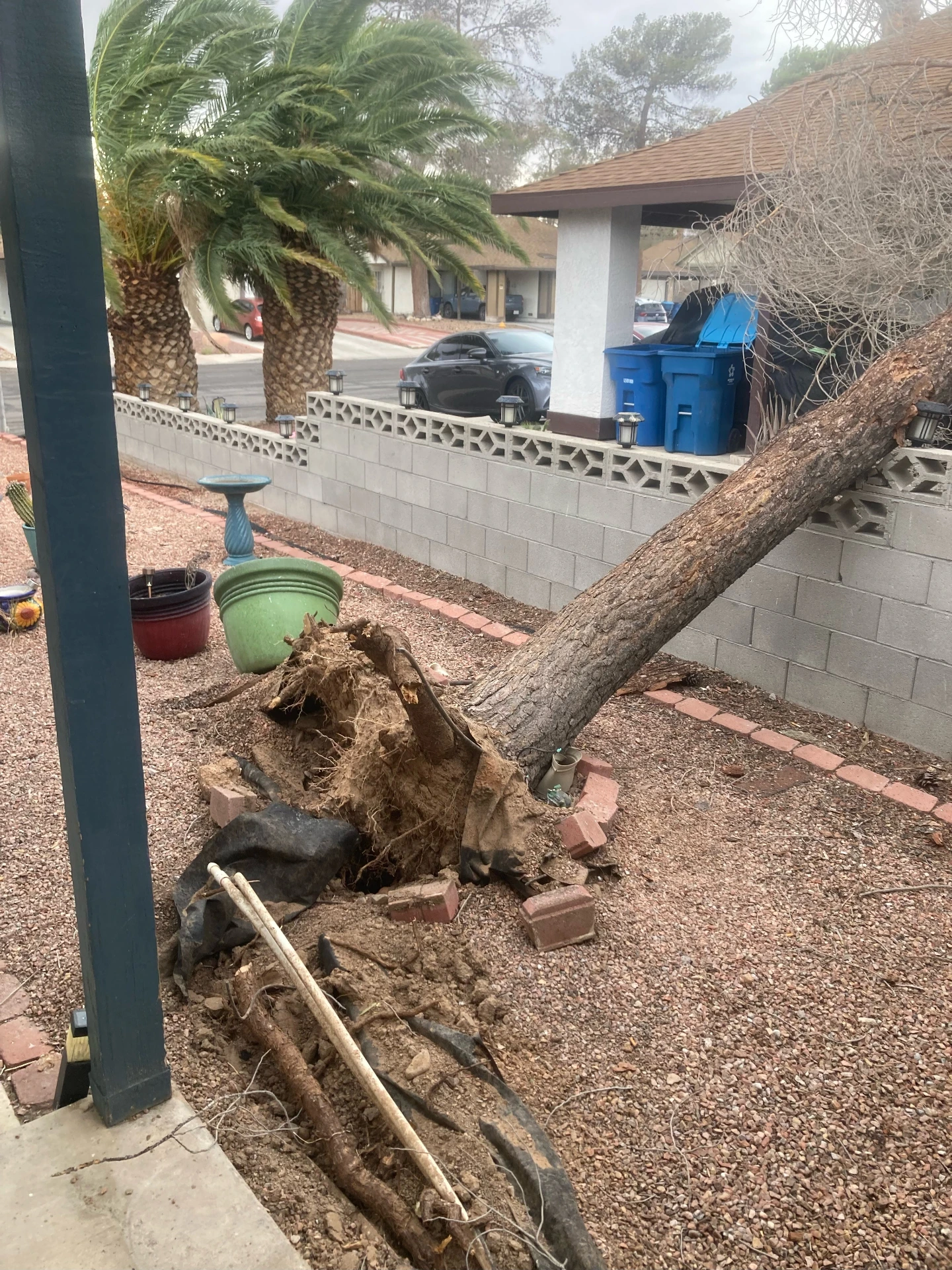
Emergency Tree Removal
Emergency tree removal for split, uprooted, hung, or failed material, with the immediate work zone and unstable sections addressed before routine cleanup or follow-up tree work.
- Storm-damaged, split, uprooted, hung, or unstable material evaluated first
- Work zones and removal sequences planned around exposed people and property
- Debris cleanup and any later stump or pruning work separated from the emergency scope
Land Clearing
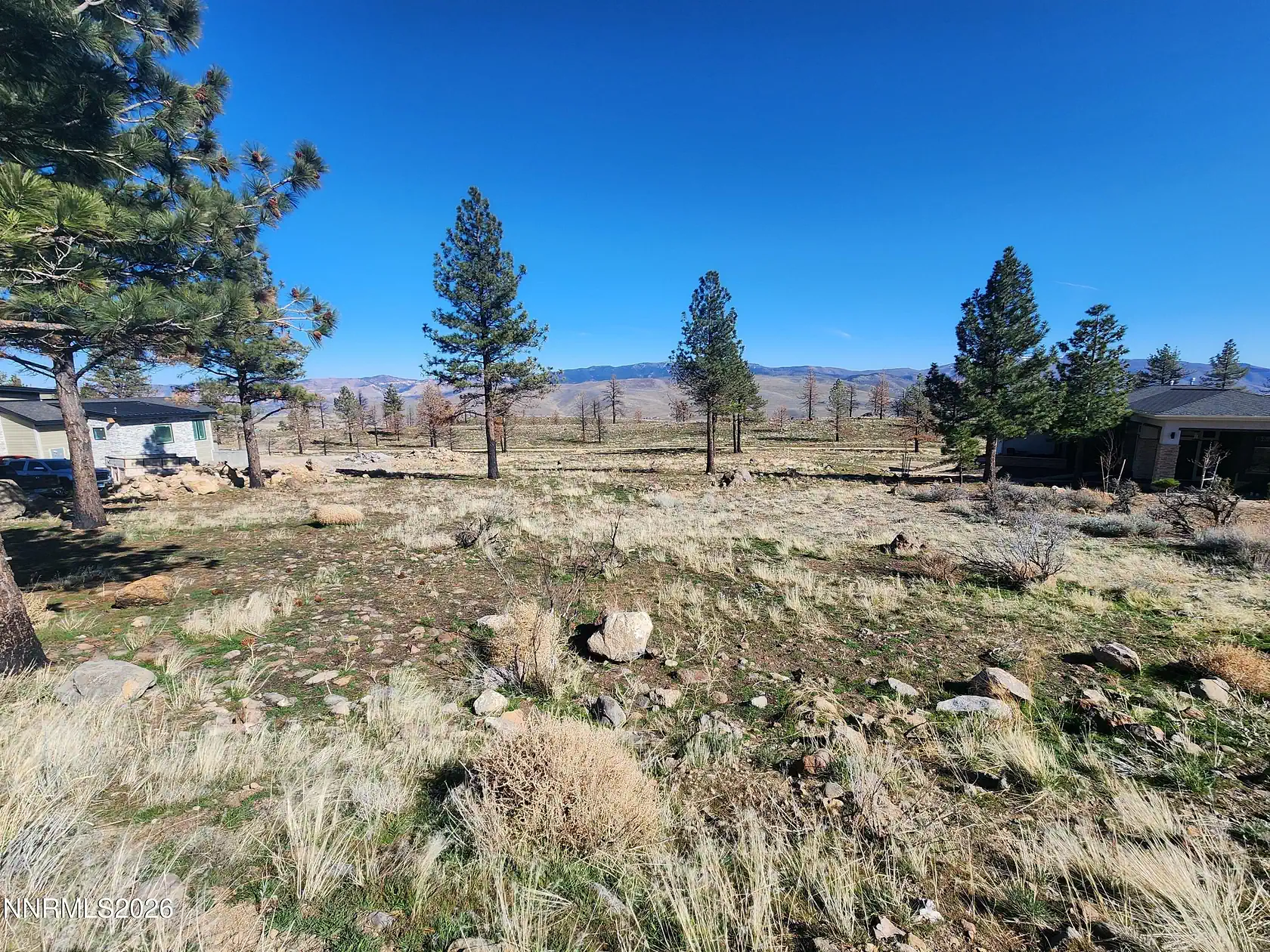
Land clearing planned around vegetation density, retained trees, equipment access, material processing, haul-off, and the condition needed for the property’s next use.
- Tree, brush, and vegetation limits identified before clearing begins
- Retained trees, access lanes, slopes, and equipment routes protected in the plan
- Chipping, hauling, mastication, or retained material defined by the requested finish
Defensible Space
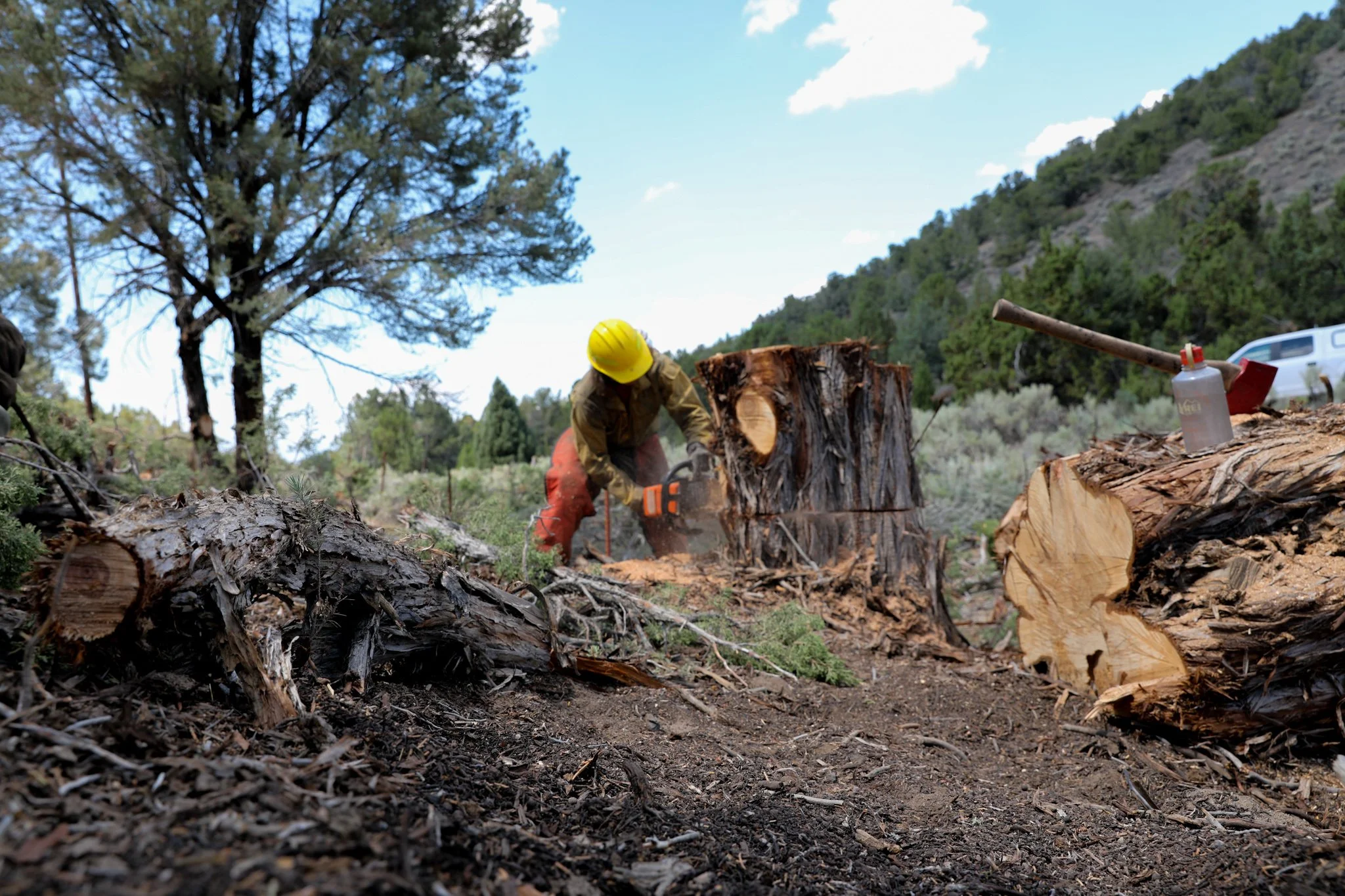
Defensible space work that addresses dead material, ladder fuels, brush continuity, retained-tree clearance, and practical handling of slash, chips, and recurring maintenance.
- Dead vegetation, ladder fuels, and fuel continuity addressed around structures and access
- Tree spacing, limbing, brush reduction, and retained screening balanced to the property
- Slash, chips, and recurring maintenance expectations included in the cleanup plan