
DEFENSIBLE SPACE
Defensible Space in Reno, NV and Northern Nevada
Defensible space services in Reno for removing and reducing combustible vegetation around homes, access routes, and other areas where wildfire preparation matters. Call today for a fast, free estimate.
- Licensed & Insured
- Locally Owned
- Serving Since 2016
Get Your Free Quote
By submitting this form, you agree to our Terms of Use including consent to receive calls regarding your free estimate.
Confidential · We respond within one business day
Home › Defensible Space
Defensible space work is about changing the vegetation around a structure so the property is easier to maintain and better prepared for wildfire exposure. Reno Tree Removal can remove brush, dead material, selected limbs, and unwanted small trees while keeping the work tied to the actual house, slope, access, and vegetation that are on your property.
When you call about defensible space, start with the problem you are trying to solve rather than worrying about the exact service terminology. We will ask about the tree or work area, what changed, and what you want the property to look like when the job is finished.
Before scheduling defensible space, it helps to be clear about what success looks like for you. That might mean removing a hazard, creating clearance, reclaiming usable space, protecting something that should remain, or preparing the site for another project. We use that goal to keep the proposed work practical and connected to how you actually use the property.
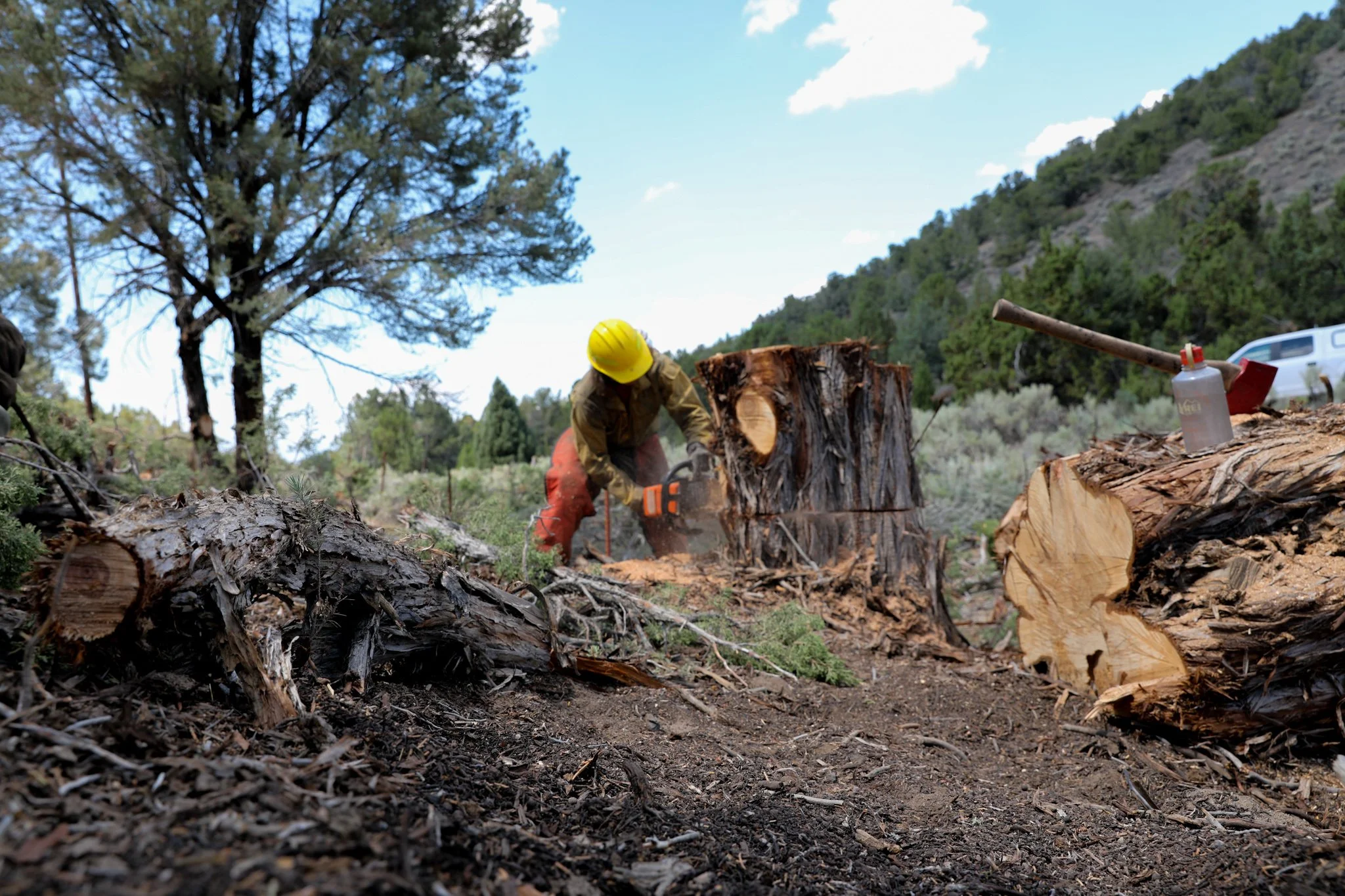
Defensible Space Work That Fits the Actual Property
The right time to ask about defensible space is when the tree, stump, or vegetation is interfering with a goal, creating a concern, or making the property harder to use. Situations we commonly discuss include:
- Dense brush or woody growth has developed close to the home or outbuildings
- Dead limbs, downed material, or accumulated woody debris need to be removed
- Lower branches or ladder fuels create continuous vegetation from the ground into tree canopies
- A steep or overgrown area is difficult to maintain with ordinary homeowner equipment
- Vegetation is crowding driveways, gates, or access areas that need to remain usable
- You are preparing for an inspection, insurance conversation, property sale, or your own seasonal wildfire maintenance
Several defensible space concerns can exist at the same property at once. During the estimate, we separate the priority work from optional or later items so you can make a decision without treating everything as urgent.
For defensible space, urgency also depends on what is happening now, not just how the tree or work area looks in a photo. If Vegetation is crowding driveways, gates, or access areas that need to remain usable, or if You are preparing for an inspection, insurance conversation, property sale, or your own seasonal wildfire maintenance, tell us when you call. That context helps us understand what is affecting normal use of the property and which part of the work deserves attention first.
Signs It Is Time to Reduce Vegetation Around Your Home
What we see during a defensible space estimate determines whether a straightforward approach will work or whether the job needs tighter control. We review:
- distance and vegetation patterns around structures and access routes
- dead, dry, or dense material that can be removed without stripping the property unnecessarily
- trees and screening vegetation you want to retain
- slopes, rocks, fences, irrigation, and equipment access
- whether cut material should be chipped, hauled, masticated, or otherwise handled
These defensible space details matter to you because they affect access, production, property protection, debris handling, and the result you are buying. We explain the important constraints in plain language so the scope is clear without turning the estimate into a technical planning document.
Another part of a defensible space site review is understanding slopes, rocks, fences, irrigation, and equipment access, along with whether cut material should be chipped, hauled, masticated, or otherwise handled. These are not checklist items for their own sake. They help us avoid recommending a method that creates an unnecessary conflict with the property, and they give you a clearer picture of what preparation may be needed before the crew arrives.
How We Prioritize Trees, Brush, and Dead Material
Once the goal and site conditions are clear, we can talk about how defensible space should actually be completed. Depending on the property, the useful options may include:
- brush and dead-material removal near structures
- selective limbing and pruning where lower growth contributes to vertical fuel continuity
- removal of unwanted saplings or small trees within the agreed work area
- mastication or broader vegetation work on larger areas where that method fits the terrain and goals
If one defensible space option changes cost, debris handling, timing, or the finished surface in a meaningful way, we explain the difference before you approve it. The goal is to let you choose, not to hide choices in contractor language.
An important part of choosing a defensible space approach is deciding what you want to happen after the main work is complete. That can make options such as selective limbing and pruning where lower growth contributes to vertical fuel continuity or mastication or broader vegetation work on larger areas where that method fits the terrain and goals more or less useful. Tell us about future landscaping, construction, access, maintenance, or appearance goals so the service is not planned in isolation from the next use of the area.
Options for Pruning, Clearing, Chipping, and Mastication
The defensible space work plan starts with your goal and then moves outward to the property. Reno Tree Removal verifies distance and vegetation patterns around structures and access routes, pays attention to dead, dry, or dense material that can be removed without stripping the property unnecessarily, and makes sure trees and screening vegetation you want to retain are understood before the crew is committed to a production method.
The finished condition is part of the defensible space service, not an afterthought. Reno Tree Removal talks through what remains, what leaves, and whether any chips, logs, stump material, soil, planting care, or follow-up work is included or separate.
When access is tight or other people use the site, defensible space also requires a clear work zone. We consider gates, walkways, parking, neighboring property, landscaping, and other features that could affect how material or equipment moves through the property.
Good defensible space planning includes the less obvious parts of the site, including slopes, rocks, fences, irrigation, and equipment access and whether cut material should be chipped, hauled, masticated, or otherwise handled. We combine those observations with the selected approach, such as brush and dead-material removal near structures, to organize the sequence of work. The customer does not need to manage that sequence, but you should know what areas need to be available and what the crew is working toward.
Keeping Useful Vegetation While Reducing Fuel Continuity
One defensible space request sometimes reveals a related issue that is easier to plan during the same visit. We keep optional services separate so the customer can decide whether coordinating them saves effort or simply adds work that is not needed yet.
Customers asking about defensible space may also have connected concerns involving fire mitigation, brush removal and mastication forestry. We can look at the full property goal, then price or schedule the related work separately so you can choose what to handle now. For additional public background related to this type of tree or property work, the existing page resource link to Washoe County wildland-urban interface guidance remains available.
For defensible space, tell us early if another contractor, utility, association, tenant, or project manager controls part of the site. Clear responsibility and access are especially important when tree work overlaps construction, energized infrastructure, shared property, or active commercial operations.
For defensible space, coordinating related work can save repeat setup, but combining services is not automatically the better choice. If the original concern is that Dense brush or woody growth has developed close to the home or outbuildings, we start there. A separate option such as mastication or broader vegetation work on larger areas where that method fits the terrain and goals can be discussed on its own merits, which keeps the estimate understandable for homeowners, businesses, and property managers.
Why Choose Reno Tree Removal for Defensible Space?
A contractor providing defensible space should make the decision easier to understand, not bury the customer in technical language. Reno Tree Removal focuses on:
- A practical scope built around the actual property rather than a generic clearing prescription
- Free estimates for residential and commercial defensible space work
- Related brush removal, fire mitigation, pruning, and mastication services
- Retained vegetation identified before work so the property does not have to be cleared indiscriminately
- Debris handling and the desired finished condition discussed up front
For defensible space, Reno Tree Removal provides free estimates and is licensed and insured. We keep the conversation focused on the work you actually need, the choices available, and what the property should look like when the job is complete.
Our defensible space service is also built around two practical expectations: A practical scope built around the actual property rather than a generic clearing prescription, and Debris handling and the desired finished condition discussed up front. We want those details settled before scheduling because they affect the customer experience as much as the production itself. If something about the recommendation is unclear, ask us to explain it in plain terms before you approve the work.
Frequently Asked Questions About Defensible Space
What does defensible space work include?
It can include brush removal, dead material cleanup, selective limbing, small-tree removal, and other vegetation reduction around structures and access areas. The scope depends on the property and the goal.
Do you have to remove every tree near the house?
No. Defensible space is not automatically a clear-cut. Tree condition, spacing, branches, surrounding fuels, and the role of each tree should be considered before deciding what to prune or remove.
Can you chip or haul the vegetation you remove?
Yes, debris handling can be included in the scope. Depending on the volume and site, material may be chipped, hauled, masticated, or handled another agreed way.
Is defensible space a one-time project?
Vegetation grows back and new dead material accumulates, so most properties need ongoing maintenance. The first project can reduce the larger backlog, then future work is usually more manageable.