FRUIT TREE TRIMMING
Fruit Tree Trimming in Reno, NV and Northern Nevada
Fruit tree trimming in Reno for overgrown, damaged, crowded, or difficult-to-maintain fruit trees that need selective pruning and better structure. Call today for a fast, free estimate.
- Licensed & Insured
- Locally Owned
- Serving Since 2016
Get Your Free Quote
By submitting this form, you agree to our Terms of Use including consent to receive calls regarding your free estimate.
Confidential · We respond within one business day
Home › Fruit Tree Trimming
Fruit trees often need a different pruning conversation than large shade trees. Reno Tree Removal can help reduce deadwood, crowded growth, overextended limbs, poor structure, and access problems while keeping the work tied to the tree type, its condition, and the size and shape you can realistically maintain.
When you call about fruit tree trimming, start with the problem you are trying to solve rather than worrying about the exact service terminology. We will ask about the tree or work area, what changed, and what you want the property to look like when the job is finished.
Our approach to fruit tree trimming is centered on the decision you need to make as the property owner or manager. We will explain what we see, what can reasonably be addressed, and which details could affect access, cleanup, or the finished condition. You can then decide whether to move forward with the full recommendation or a more limited scope.
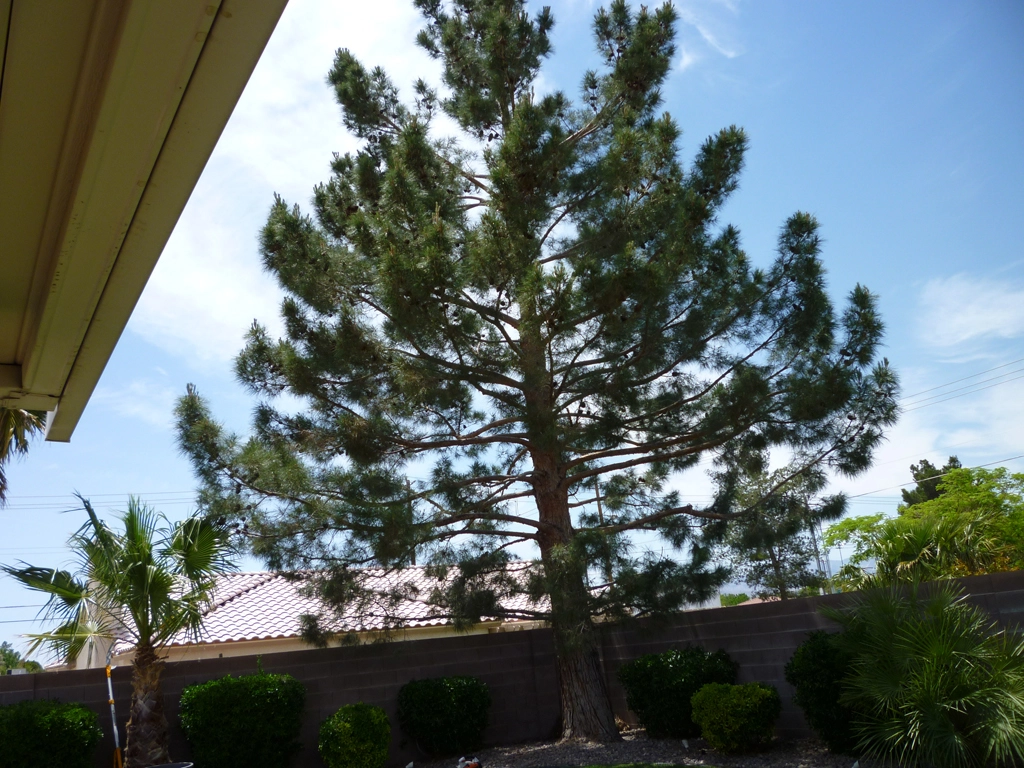
Fruit Tree Trimming for a Tree You Can Actually Maintain
You may not need fruit tree trimming on a fixed schedule, but certain changes make it worth having the situation reviewed. For Reno Tree Removal customers, the most common fruit tree trimming requests start with concerns such as:
- Dead or damaged limbs are mixed into productive growth
- The canopy has become too crowded to see and work through comfortably
- Long branches are pulling away from the main structure or sagging into walkways and other areas
- Water sprouts or dense upright growth have developed after previous pruning
- The tree has become taller or wider than you can reasonably maintain from the ground
- A young fruit tree needs structural guidance before poor branch arrangement becomes harder to correct
If your reason for considering fruit tree trimming is not listed here, show us what you are dealing with. The point of the estimate is to understand the real problem and recommend work that fits it rather than force the property into a preset checklist.
You can also use a fruit tree trimming estimate to sort immediate needs from future work. Concerns such as whether The tree has become taller or wider than you can reasonably maintain from the ground, or whether A young fruit tree needs structural guidance before poor branch arrangement becomes harder to correct, may change what you want to address now. We can discuss those choices without assuming that every visible issue needs to become part of the same job.
Reasons to Prune an Overgrown Fruit Tree
For fruit tree trimming, understanding the surroundings is just as important as understanding the tree or vegetation itself. Our site review typically includes:
- tree type, age, current vigor, and visible fruiting structure
- deadwood, crossing branches, water sprouts, previous heading cuts, and crowded areas
- the height and spread that fit your maintenance goals
- how much live canopy can be removed without over-pruning the tree
- season, access, cleanup, and nearby landscape features
These fruit tree trimming details matter to you because they affect access, production, property protection, debris handling, and the result you are buying. We explain the important constraints in plain language so the scope is clear without turning the estimate into a technical planning document.
The estimate should also account for how much live canopy can be removed without over-pruning the tree and season, access, cleanup, and nearby landscape features. In fruit tree trimming, small site details can make a noticeable difference to staging, cleanup, or what can be accomplished without disturbing nearby areas. We will point out the constraints that matter to the job and leave irrelevant technical detail out of the conversation.
What We Look At Before Making Cuts
For fruit tree trimming, we prefer the least complicated method that can reasonably accomplish the approved goal while respecting the surroundings. That may involve:
- deadwood and damaged-limb removal
- selective thinning to reduce crowding without stripping the canopy
- height or spread reduction where suitable cuts and tree condition allow it
- young-tree structural pruning to improve branch arrangement over time
The objective with fruit tree trimming is not to sell the largest scope. It is to match the work to the property problem, explain the tradeoffs, and make the finished result easy to understand before the crew is dispatched.
Not every available fruit tree trimming option is valuable on every property. For example, selective thinning to reduce crowding without stripping the canopy may fit one customer’s priorities while young-tree structural pruning to improve branch arrangement over time fits another. Reno Tree Removal will connect the recommendation to the actual goal and explain when an added step would meaningfully improve the result versus simply increasing the scope.
Managing Height, Crowding, Deadwood, and Regrowth
We do not want the key fruit tree trimming constraint to be discovered after work has already started. The estimate is where Reno Tree Removal reviews tree type, age, current vigor, and visible fruiting structure, works through deadwood, crossing branches, water sprouts, previous heading cuts, and crowded areas, and considers the height and spread that fit your maintenance goals so the proposed scope matches the actual site.
For fruit tree trimming, cleanup should be discussed with the same clarity as the cutting, grinding, planting, or clearing itself. Tell us if material needs to leave the property, if an area must be reopened immediately, or if follow-up work can wait. Those details are easier to price and plan before equipment is set up.
When access is tight or other people use the site, fruit tree trimming also requires a clear work zone. We consider gates, walkways, parking, neighboring property, landscaping, and other features that could affect how material or equipment moves through the property.
For fruit tree trimming, we also confirm practical details around how much live canopy can be removed without over-pruning the tree and season, access, cleanup, and nearby landscape features before production. An option such as deadwood and damaged-limb removal only makes sense when it works with the actual site. If access or the desired finish changes the best approach, we would rather discuss that during the estimate than discover it after equipment and crew are committed.
Balancing the Finished Shape With the Tree’s Condition
The best fruit tree trimming scope is sometimes narrower than the customer first expects and sometimes broader. Reno Tree Removal reviews the connected property issues, then keeps each additional service distinct so you can approve only what supports the main goal.
A fruit tree trimming project does not have to turn into a catch-all scope. When related needs such as tree pruning, tree trimming and tree health care are present, Reno Tree Removal can explain how they connect while keeping optional work distinct in the estimate. For additional public background related to this type of tree or property work, the existing page resource link to City of Reno urban forestry guidance remains available.
For fruit tree trimming, tell us early if another contractor, utility, association, tenant, or project manager controls part of the site. Clear responsibility and access are especially important when tree work overlaps construction, energized infrastructure, shared property, or active commercial operations.
The customer should be able to see where the fruit tree trimming scope ends. When the main issue is that Dead or damaged limbs are mixed into productive growth, Reno Tree Removal keeps the estimate tied to that problem first. If a connected option such as young-tree structural pruning to improve branch arrangement over time would improve the overall result, we can identify it separately rather than blending optional work into one unexplained total.
Why Choose Reno Tree Removal for Fruit Tree Trimming?
Why hire Reno Tree Removal for fruit tree trimming? The value is in how the job is organized around the real tree or property, not in a list of slogans. Our fruit tree trimming approach includes:
- A pruning scope based on the individual fruit tree rather than a generic hedge-trimming approach
- Free estimates with the desired size and maintenance goal discussed first
- Selective pruning intended to retain useful live canopy
- Cleanup and access considered around gardens, fences, irrigation, and other yard features
- Related tree pruning, trimming, and health care available when the tree has broader issues
Free fruit tree trimming estimates let us look at the actual site before putting numbers around the scope. Reno Tree Removal is licensed and insured, and we want you to understand the proposed work before deciding whether to move forward.
What matters most in a fruit tree trimming contractor is whether the proposed work actually fits the situation. We bring that back to specifics such as A pruning scope based on the individual fruit tree rather than a generic hedge-trimming approach and Related tree pruning, trimming, and health care available when the tree has broader issues. Combined with licensed and insured service and a free estimate, that gives you a straightforward basis for deciding whether Reno Tree Removal is the right fit for the job.
Frequently Asked Questions About Fruit Tree Trimming
When should fruit trees be trimmed?
Timing depends on the fruit tree species, condition, climate, and pruning goal. We consider what kind of tree it is and why you want it pruned before recommending the work.
Can you make an old fruit tree much smaller?
Sometimes size can be reduced, but severe one-time cutting can create stress and dense regrowth. An older overgrown tree may be better managed in stages depending on its condition.
Will pruning increase fruit production?
Pruning can improve structure, light distribution, and access, but fruit production also depends on species, age, pollination, water, weather, and overall tree health. We do not treat pruning as a guaranteed yield increase.
Do you remove water sprouts and crowded interior growth?
Those may be part of the pruning scope, but not every upright shoot or interior branch should automatically be removed. The goal is a balanced tree that remains functional and manageable.