
TREE PRESERVATION
Tree Preservation in Reno, NV and Northern Nevada
Tree preservation in Reno for owners and project teams who want to retain valuable trees through pruning, root-zone care, construction planning, and long-term maintenance. Call today for a fast, free estimate.
- Licensed & Insured
- Locally Owned
- Serving Since 2016
Get Your Free Quote
By submitting this form, you agree to our Terms of Use including consent to receive calls regarding your free estimate.
Confidential · We respond within one business day
Home › Tree Preservation
Keeping a mature tree often requires decisions that happen well before visible decline. Reno Tree Removal helps customers identify what the tree needs, what site changes could threaten it, and which maintenance or protection measures can support the goal of retaining it rather than defaulting to removal.
A good tree preservation estimate should answer the questions a customer actually has. We focus on the concern, the work area, the result you want, and the decisions that matter before the crew arrives.
Customers often call about tree preservation because they know what is wrong but are not sure what kind of tree work will solve it. We can start with the visible concern, talk through the result you want, and separate essential work from optional improvements. That makes the estimate easier to compare and helps avoid paying for a broader scope than the property actually needs.
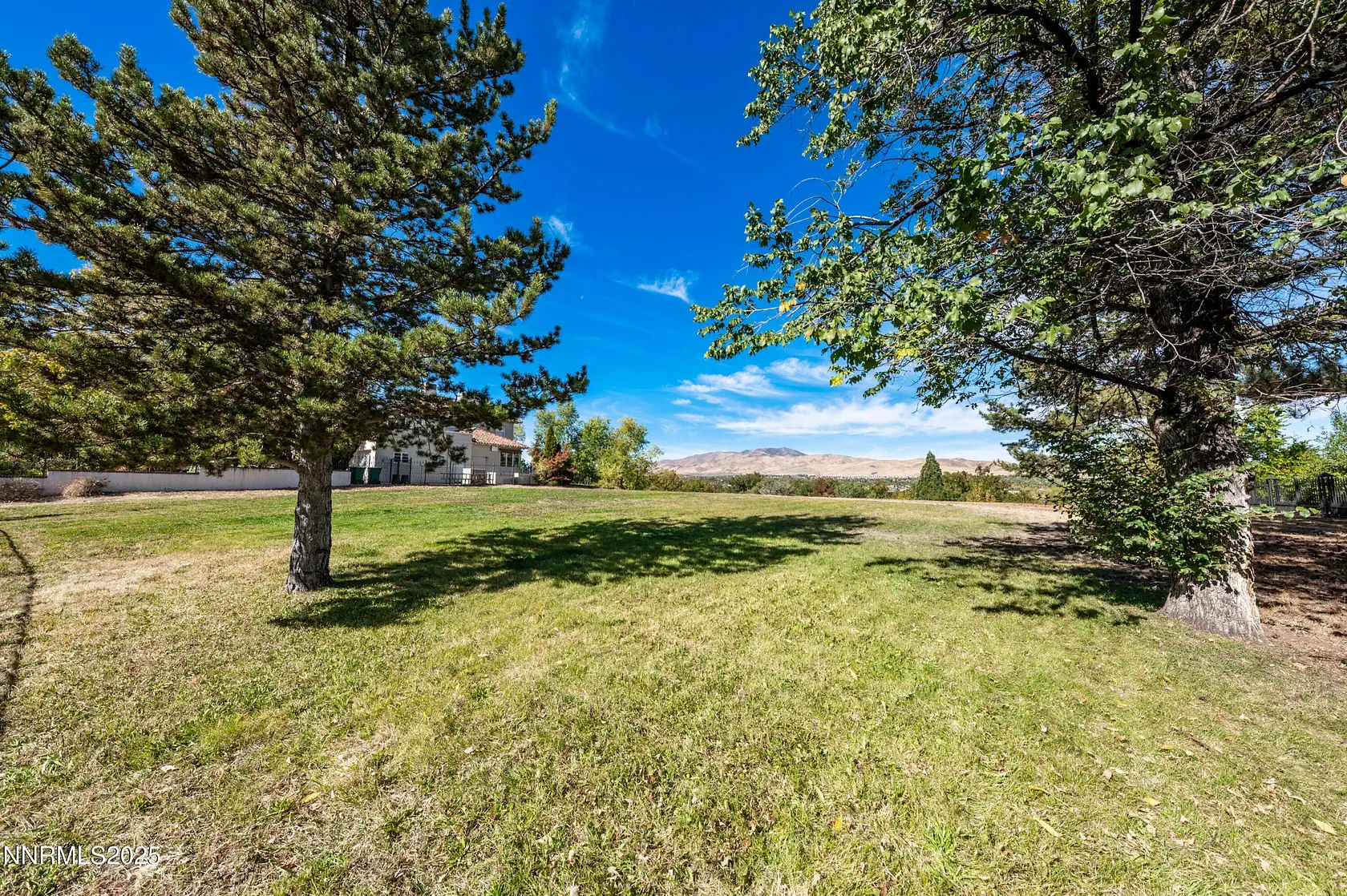
Tree Preservation Begins Before the Tree Is in Trouble
Most calls for tree preservation begin with a practical property problem. You may want the work because something is unsafe, overgrown, damaged, in the way, or simply no longer fits how the property is being used. Common reasons customers contact Reno Tree Removal for tree preservation include:
- A mature or valued tree is important to the property and you want a long-term retention plan
- Construction, grading, trenching, or landscape changes will occur near the tree
- Roots, branches, or access conflicts need to be managed without removing the whole tree
- A tree has manageable defects or stress and the owner wants to understand retention options
- Past pruning or site disturbance has created questions about how future work should be handled
- A commercial or residential property is planning around trees that should remain through multiple project phases
Several tree preservation concerns can exist at the same property at once. During the estimate, we separate the priority work from optional or later items so you can make a decision without treating everything as urgent.
For tree preservation, urgency also depends on what is happening now, not just how the tree or work area looks in a photo. If Past pruning or site disturbance has created questions about how future work should be handled, or if A commercial or residential property is planning around trees that should remain through multiple project phases, tell us when you call. That context helps us understand what is affecting normal use of the property and which part of the work deserves attention first.
When a Tree Is Worth Planning Around
The tree preservation estimate is also where we look for site details that could affect the crew, equipment, or finished result. We pay particular attention to:
- tree condition, structure, canopy, root flare, visible roots, and signs of stress
- the area around the trunk and roots that construction or landscaping may disturb
- clearance needs and pruning options that can reduce conflicts while retaining useful canopy
- soil compaction, irrigation, drainage, grade, and other root-zone conditions
- what changes are planned on the property and when they will happen
These tree preservation details matter to you because they affect access, production, property protection, debris handling, and the result you are buying. We explain the important constraints in plain language so the scope is clear without turning the estimate into a technical planning document.
Another part of a tree preservation site review is understanding soil compaction, irrigation, drainage, grade, and other root-zone conditions, along with what changes are planned on the property and when they will happen. These are not checklist items for their own sake. They help us avoid recommending a method that creates an unnecessary conflict with the property, and they give you a clearer picture of what preparation may be needed before the crew arrives.
What We Review Above and Below Ground
Tree Preservation is not defined by one machine or one production sequence. After we understand the customer goal, practical service options can include:
- selective pruning to manage deadwood, clearance, or loading
- root-zone protection and construction limits before heavy site activity begins
- monitoring and staged maintenance instead of one large intervention
- consultation, root pruning, or tree protection measures when a project creates specific conflicts
If one tree preservation option changes cost, debris handling, timing, or the finished surface in a meaningful way, we explain the difference before you approve it. The goal is to let you choose, not to hide choices in contractor language.
An important part of choosing a tree preservation approach is deciding what you want to happen after the main work is complete. That can make options such as root-zone protection and construction limits before heavy site activity begins or consultation, root pruning, or tree protection measures when a project creates specific conflicts more or less useful. Tell us about future landscaping, construction, access, maintenance, or appearance goals so the service is not planned in isolation from the next use of the area.
Pruning, Root-Zone, and Construction-Protection Options
The tree preservation work plan starts with your goal and then moves outward to the property. Reno Tree Removal verifies tree condition, structure, canopy, root flare, visible roots, and signs of stress, pays attention to the area around the trunk and roots that construction or landscaping may disturb, and makes sure clearance needs and pruning options that can reduce conflicts while retaining useful canopy are understood before the crew is committed to a production method.
The finished condition is part of the tree preservation service, not an afterthought. Reno Tree Removal talks through what remains, what leaves, and whether any chips, logs, stump material, soil, planting care, or follow-up work is included or separate.
When access is tight or other people use the site, tree preservation also requires a clear work zone. We consider gates, walkways, parking, neighboring property, landscaping, and other features that could affect how material or equipment moves through the property.
Good tree preservation planning includes the less obvious parts of the site, including soil compaction, irrigation, drainage, grade, and other root-zone conditions and what changes are planned on the property and when they will happen. We combine those observations with the selected approach, such as selective pruning to manage deadwood, clearance, or loading, to organize the sequence of work. The customer does not need to manage that sequence, but you should know what areas need to be available and what the crew is working toward.
Building a Long-Term Plan for Retained Trees
One tree preservation request sometimes reveals a related issue that is easier to plan during the same visit. We keep optional services separate so the customer can decide whether coordinating them saves effort or simply adds work that is not needed yet.
Customers asking about tree preservation may also have connected concerns involving tree protection during construction, root pruning and arborist consultation. We can look at the full property goal, then price or schedule the related work separately so you can choose what to handle now. For additional public background related to this type of tree or property work, the existing page resource link to Nevada Division of Forestry resources remains available.
For tree preservation, tell us early if another contractor, utility, association, tenant, or project manager controls part of the site. Clear responsibility and access are especially important when tree work overlaps construction, energized infrastructure, shared property, or active commercial operations.
For tree preservation, coordinating related work can save repeat setup, but combining services is not automatically the better choice. If the original concern is that A mature or valued tree is important to the property and you want a long-term retention plan, we start there. A separate option such as consultation, root pruning, or tree protection measures when a project creates specific conflicts can be discussed on its own merits, which keeps the estimate understandable for homeowners, businesses, and property managers.
Why Choose Reno Tree Removal for Tree Preservation?
Reno Tree Removal provides tree preservation with a simple standard: understand the customer’s problem, define the work clearly, and make the expected result easy to understand before production begins. For this service, customers can expect:
- A preservation goal established before work is recommended
- Related pruning, root pruning, construction protection, and consultation services
- Free estimates for tree work that supports the agreed retention plan
- Attention to both canopy and root-zone impacts
- A willingness to discuss removal when preservation is no longer a reasonable fit rather than promising every tree can be saved
For tree preservation, Reno Tree Removal provides free estimates and is licensed and insured. We keep the conversation focused on the work you actually need, the choices available, and what the property should look like when the job is complete.
Our tree preservation service is also built around two practical expectations: A preservation goal established before work is recommended, and A willingness to discuss removal when preservation is no longer a reasonable fit rather than promising every tree can be saved. We want those details settled before scheduling because they affect the customer experience as much as the production itself. If something about the recommendation is unclear, ask us to explain it in plain terms before you approve the work.
Frequently Asked Questions About Tree Preservation
What does tree preservation involve?
It can include pruning, root-zone protection, construction planning, monitoring, irrigation or site-care discussions, and other steps intended to reduce avoidable stress on a tree you want to retain.
Can a mature tree be protected during construction?
Often the chances improve when planning starts before grading, trenching, parking, or material storage reaches the root zone. Protection measures need to be matched to the tree and project layout.
Does preservation mean a tree will never need removal?
No. Trees and sites change. Preservation is a management goal, not a guarantee, and removal may still become appropriate if condition, structural problems, or project constraints change.
Can roots be pruned to save a tree near construction?
Sometimes carefully planned root pruning can define an excavation edge or reduce tearing, but root size, location, tree condition, and the amount of root loss all matter. It should not be treated as a harmless routine cut.